



Small Bedroom Furniture Ideas: Smart, Space-Saving Design
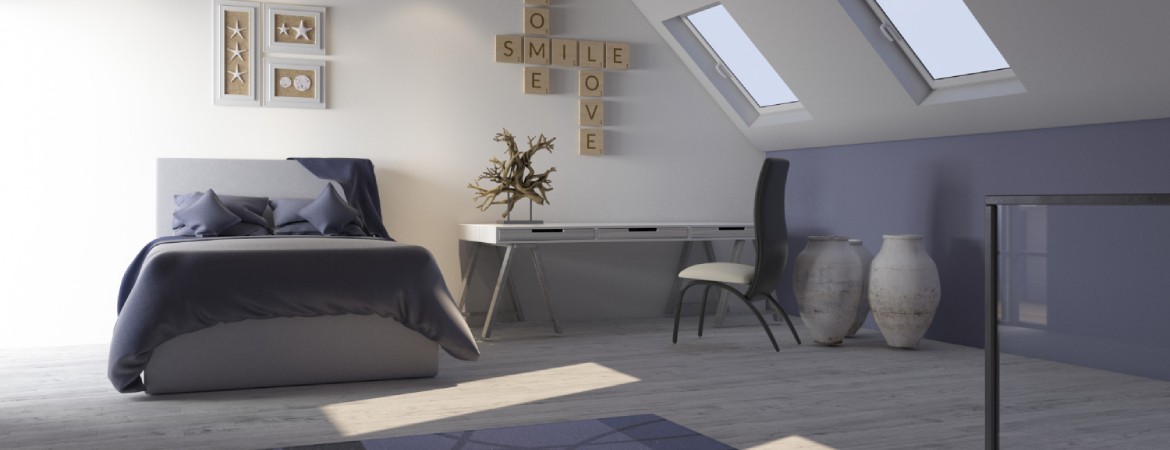
A small bedroom doesn’t have to feel cramped or cluttered. The furniture you choose directly determines how well the space functions, how much storage you gain, and how comfortable the room feels day to day. Poorly chosen pieces block pathways and leave you with nowhere to put things; the right pieces turn even the tightest room into a calm, organised retreat.
Furniture selection affects five key areas:
- Functionality: multi-purpose pieces do double duty, reducing the number of items you need.
- Storage: built-in drawers, shelves, and hidden compartments eliminate the need for extra furniture.
- Movement: correctly scaled pieces keep walkways clear and stop the room from feeling like an obstacle course.
- Comfort: the right bed size and seating keep the room liveable, not just practical.
- Aesthetics: light finishes, streamlined silhouettes, and thoughtful placement create the illusion of more space.
Understanding these five factors before you shop will save you money, frustration, and wasted floor space.
Storage Beds and Space-Saving Bed Solutions
The bed is the largest piece of furniture in any bedroom, so making it work harder is one of the smartest moves you can make in a compact space.
Storage Beds
- Hydraulic lift beds (sometimes called ottoman beds) raise the entire mattress base on gas pistons to reveal a cavernous storage area underneath, best for bulky items like duvets, suitcases, or out-of-season clothing. They need a little floor clearance at the sides to operate safely.
- Drawer storage beds have two to four drawers on the sides or foot of the frame. They’re easier to access than a lift base, though they hold less overall, and suit everyday items like folded clothes, extra pillows, or linens.
- Platform beds with storage are low-profile frames with a slatted or solid base that often add side drawers or open cubbies. Their low height keeps the room feeling airy.
- Under-bed storage, rolling boxes, flat vacuum bags, or purpose-built drawers on castors add capacity without replacing the frame, if your existing bed already has clearance underneath. It’s the best option for renters or those on tight budgets.
Murphy (Wall) Beds
A Murphy bed folds flat against the wall during the day, instantly reclaiming the entire floor area, ideal for studio apartments or rooms that need to double as something else.
Compared with a storage bed, a Murphy bed wins outright on floor space: folded away, it returns almost all the room’s footprint, while a storage bed keeps the same permanent footprint and compensates with storage underneath instead. The trade-off is storage itself; a Murphy bed has none built in, though many wall-bed units pair the fold-out bed with shelving and a desk in the surrounding cabinetry. A Murphy bed also takes more daily effort, since the mattress has to be made up or folded away each time, which suits a guest room or studio better than a bedroom used every night. Murphy beds and wall-bed systems also cost more than storage beds, owing to the wall-mounting hardware and cabinetry involved.
In short: choose a storage bed for a dedicated bedroom where you want maximum storage without losing the look of a normal bed, and a Murphy bed for a studio, a home office that doubles as a guest room, or anywhere the floor genuinely needs to serve two purposes during the day.
Loft Beds and Bunk Beds
A loft bed raises the sleeping area off the floor, freeing the space underneath for a desk, a wardrobe, or seating, a favourite trick for combining a bedroom with a home office or study space (more on this under Apartments and Kids & Teens below). In shared rooms, bunk beds achieve the same floor-space win by stacking two sleeping areas vertically instead of side by side.
Storage Benches
Placed at the foot of the bed, a storage bench adds seating plus a hidden room for spare bedding, seasonal clothing, or shoes, a low-effort way to gain a fourth storage spot without a fourth piece of furniture.
Wardrobes and Closet Storage
The wardrobe is typically the second-largest piece of furniture in a bedroom, and the right design can make or break a small room’s layout.
- Sliding door wardrobes are the most practical choice for small spaces, since the panels need no swing clearance and can sit close to the bed or other furniture without restricting movement, useful in apartments where the gap between bed and wall is narrow, and in rentals where you can’t modify the room.
- Mirrored wardrobes combine clothing storage with a full-length mirror; the reflective surface bounces light around the room and adds a sense of depth (see Colour, Finish, and Visual Tricks below for more on using mirrors well).
- Floor-to-ceiling wardrobes remove the gap above a standard wardrobe top, which tends to become a clutter magnet, and maximise vertical storage. In a master bedroom, especially, a floor-to-ceiling design with sliding or bi-fold doors along one full wall, fitted with hanging rails, shoe racks, and shelf dividers, can replace several smaller pieces of furniture at once.
- Corner wardrobes are L-shaped units designed to slot into corners that would otherwise go to waste, giving generous hanging and shelf space while keeping the main walls clear.
Wardrobe or chest of drawers? It depends on what you own. If most of your clothing needs hanging, prioritise the wardrobe; if most of it is folded, a chest of drawers works harder for the same floor space. Many small bedrooms get the best of both by choosing a wardrobe that combines hanging space with internal drawers or shelves, one footprint, two functions.
Get more from the wardrobe you already have: double up the hanging rail, add shelf dividers, use clear stackable boxes, and fit a door-mounted rack. These can roughly double a wardrobe’s usable capacity without any structural work. The back of the bedroom door is also nearly always unused; an over-door shoe rack, hook rail, or pocket organiser adds storage for shoes, accessories, and small items without taking up any floor or wall space.
Wall-Mounted and Folding Furniture
Wall-mounted furniture lifts everything off the floor, making a room easier to clean, visually lighter, and more spacious.
- Floating nightstands replace traditional bedside tables and keep the floor completely clear. Keep them narrow, just enough for a lamp, a phone, and a glass of water, and you can position them at exactly the height you want.
- Foldable wall desks hinge flat against the wall when not in use, making them well-suited to a bedroom that only occasionally needs a workspace; some include integrated shelving and cable management. A slim secretary desk that closes up neatly works the same way if you need it to disappear quickly, handy in a home office that doubles as a guest room. A corner desk (covered under Corner Furniture Ideas below) is a third option. Whichever you choose, a wall-mounted task light and tidy cable management keep the workspace from taking over the room.
- Nesting tables, two or three tables that tuck under one another, are a freestanding alternative to a fixed nightstand or side table; pull them apart when you need an extra surface and push them back together when you don’t.
- Floating dressers mount a chest of drawers to the wall, creating the appearance of more space below while holding as much as a freestanding unit.
- TV wall units mount the television directly to the wall, removing the need for a stand or dresser to rest it on.
- Shallow wall cabinets or a wall-mounted pegboard, positioned above the bed or desk, add enclosed or hang-anything storage for books, chargers, and personal items without protruding far into the room; a flush cabinet front in the same colour as the wall makes it almost invisible.
Colour, Finish, and Visual Tricks to Make a Small Room Feel Bigger
Minimalism and small bedrooms are a natural match: keeping only what’s necessary, with every item intentional, directly reduces visual clutter. In practice, that means a low-profile bed without a bulky headboard, a bare-essentials bedside table, and furniture with clean lines and concealed storage rather than open shelving loaded with objects.
Colour does a lot of the work. A palette of whites, soft greys, warm beige, and natural wood tones creates visual continuity that reads as more expansive, especially when walls, floors, and furniture sit in a similar tonal range. Cool tones such as pale blue, sage green, or soft lavender feel calm and slightly more spacious; warm tones such as cream and blush add cosiness without darkening the room. Keep dark, saturated colour off large pieces, though a single dark accent piece, like a bed frame or wardrobe, can still work well if everything else in the room stays light and the piece is proportionate to the space.
Material and finish matter just as much as colour. Light wood, oak, ash, beech, and pine reflect more light than a dark stain and pair well with neutral walls. White furniture blends into walls and ceilings, reducing the visual boundary between furniture and surroundings. Glass-topped desks, glass-fronted cabinets, and acrylic elements are essentially transparent, so the eye passes through them instead of stopping, one of the most effective ways to add a surface without adding visual mass. Mirrored furniture reflects light and the rest of the room, creating the impression of doubled space; use it sparingly, since too many reflective surfaces can start to feel chaotic. For maximum effect, position a mirror so it reflects a window.
Furniture with legs, rather than a solid base, lets you see the floor underneath, creating a sense of openness and continuity; a solid base that sits directly on the floor reads as a visual barrier instead. Beds, sofas, and tables with legs also make a room easier to clean and let under-bed storage slide in and out.
Placement finishes the trick. Put the largest piece of furniture, usually the bed, against the wall farthest from the door, so there’s a clear sightline from the entrance that makes the room feel longer. Avoid angling furniture, which creates dead space behind it. And where you can, match furniture colour to the wall colour: less contrast between surfaces means less obvious boundaries, and the room reads as more expansive, a trick that works especially well with white or very light walls.
Layout Ideas by Room Shape
How furniture is arranged matters as much as which pieces you choose.
- Square rooms: place the bed against the wall opposite the door to anchor the space, with matching bedside tables on each side for balance. A slim wardrobe or tall shelving unit on one side wall adds vertical storage without crowding the centre.
- Rectangular rooms: position the bed along the shorter wall, leaving a clear, open zone along the length of the room for a natural flow from door to bed. A long, low dresser or storage bench at the foot of the bed keeps the visual line low.
- Shared bedrooms: for two children or adults, consider bunk beds, or twin beds against opposite walls with a shared nightstand or shelf between them. Give each occupant one wall for their own wardrobe and storage so clutter doesn’t spread across the room.
- Narrow bedrooms: push the bed lengthways along one long wall to maximise floor space, and favour wall-mounted shelves and floating nightstands over freestanding furniture, which would narrow the walking area further. A mirrored wardrobe on the opposite wall helps the room read as wider.
Corner Furniture Ideas
Corners are often the most neglected part of a bedroom layout, and they can become some of the most functional with the right furniture.
- Corner shelves, triangular or L-shaped floating shelves, tuck into a corner for books, plants, or display pieces without taking up floor space. Stack two or three at different heights for a feature display corner.
- Corner desks, in an L-shape, give you generous workspace in a small footprint while keeping the desk out of the main traffic flow.
- Reading nooks combine a small armchair, a floor lamp, and a compact floating shelf in a corner, turning the bedroom into more of a retreat than just a place to sleep.
- Corner wardrobes (see Wardrobes and Closet Storage above) round out the trio, maximising storage while leaving the main walls clear.
Common Small Bedroom Furniture Mistakes to Avoid
- Oversized furniture: A bed, wardrobe, or dresser that’s a centimetre or two too wide can block a pathway, force a door to open awkwardly, or throw the whole room out of proportion. Measure twice, and check that the circulation space remains after every piece is placed.
- Blocking windows: Tall furniture in front of a window cuts off natural light, one of the most powerful tools for making a small space feel larger. Keep the area in front of and beside windows as clear as you can.
- Excessive decor: A few well-chosen pieces have more impact than a crowded collection; too many items on shelves and surfaces create visual noise that makes the room feel smaller and messier.
- Poor storage planning: Buying furniture without first mapping your actual storage needs leads to overflow, clothes on chairs, bags on the floor, boxes under the bed, with no system. Plan your needs before you shop.
- Inadequate lighting: a single overhead light leaves a small bedroom feeling dim and enclosed; layering your lighting (see Decorating Ideas below) fixes this.
Decorating Ideas to Complement Your Furniture
- Rugs: Extend at least 60 cm beyond either side of the bed to ground the sleeping area; a light colour in a simple pattern keeps the floor feeling open.
- Curtains: Hang as close to the ceiling as possible and let them fall to the floor, so windows appear taller, and the room feels higher. Sheer fabrics let in more light; heavier drapes in the wall’s tone minimise visual interruption.
- Wall decor: One large piece of art above the bed makes more impact than a crowded gallery wall, and takes up no floor or shelf space.
- Lighting: Layer overhead, bedside, and accent sources, with warm-toned bulbs for a welcoming feel; wall-mounted reading lights free the nightstand from lamp clutter.
- Bedding and accessories: Light-coloured bedding in a simple design keeps the room’s largest surface visually calm, limiting cushions and throws, since too many make the bed look buried, and the room feel smaller.
Frequently Asked Questions
What size bed should I choose for a small bedroom?
For a room under 10 square metres, a single or small double (4ft) is usually most practical. A standard double can work in a slightly larger room if you choose a storage bed and keep other furniture minimal. Avoid a king-size unless the room is at least 12-14 square metres, or it will leave inadequate space to move around.
How can I add storage without buying more furniture?
Use the over-door organisers, hanging-rail doublers, shelf dividers, and under-bed vacuum bags covered above; all add real capacity to furniture you already own.
Is it better to have a wardrobe or a chest of drawers in a small bedroom?
It depends on your clothing mix; see Wardrobes and Closet Storage above for the full breakdown.
What is the best furniture for a 10×10 bedroom?
A 10×10 ft room (roughly 9 square metres) can comfortably hold a single or small double storage bed, one slim wardrobe, floating bedside shelves, and little else. Keep pieces low-profile and the palette light.
How do I make a small bedroom feel more luxurious?
Invest in good bedding in a refined, simple palette, and choose furniture in quality materials, solid wood, brushed metal, and upholstered panels. Add a full-length mirror, layer your lighting, and keep surfaces uncluttered. Luxury here comes from intentional editing, not accumulation.
Can I fit a desk in a small bedroom?
Yes, see Wall-Mounted and Folding Furniture above for fold-out, secretary, and corner desk options that won’t dominate the space.
Should furniture in a small bedroom match?
A matching set in one finish creates a cohesive, calm look that tends to work well in small spaces. Complementary (not identical) pieces can look just as intentional if they share a colour tone or material. What to avoid is mixing several very different styles and finishes, which fragments the room visually.
What colour furniture is best for a small bedroom?
Light colours, white, cream, light grey, pale wood, reflect more light and reduce each piece’s visual weight; see Colour, Finish, and Visual Tricks above for the full picture, including how a single dark accent piece can still work in an otherwise light room.