



Second-Hand Outdoor Furniture Melbourne
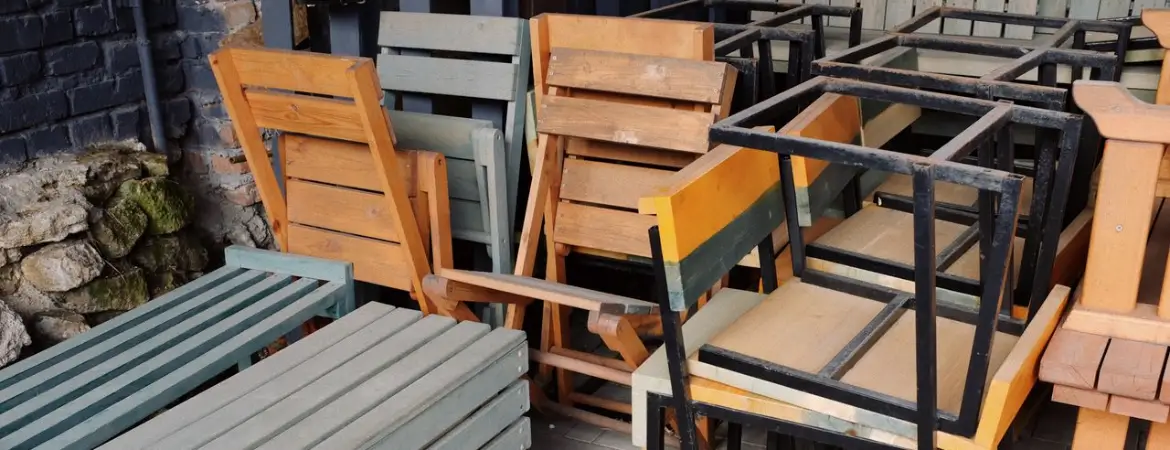
Melbourne’s love affair with outdoor living is no secret. From balcony setups in Southbank apartments to sprawling backyard entertaining areas in the leafy eastern suburbs, outdoor furniture has become an essential part of how locals enjoy the city’s famously unpredictable weather. But furnishing a patio, deck, or garden doesn’t have to mean paying full retail price. Second-hand outdoor furniture in Melbourne has become an increasingly popular choice for homeowners, renters, and businesses looking to create beautiful outdoor spaces without stretching their budgets.
You can explore everything you need to know about buying second-hand outdoor furniture in Melbourne, the benefits, where to look, what to inspect before buying, and how to make the most of a smart, budget-conscious purchase.
Why Melburnians Are Choosing Second-Hand Outdoor Furniture
Outdoor furniture is a significant investment. A quality dining setting, lounge suite, or daybed can easily run into the thousands of dollars when bought brand new. For many households, that price tag simply isn’t realistic, especially when outdoor pieces are exposed to sun, rain, and general wear far more than indoor furniture.
Second-hand outdoor furniture offers a practical middle ground. Buyers get access to sturdy, well-made pieces at a fraction of the original cost, while sellers get to pass on furniture that still has plenty of life left in it. In a city like Melbourne, where the rental market is large and people move frequently, second-hand furniture also solves a very real logistical problem: not everyone wants to commit to expensive new furniture when they might be relocating within a year or two.
There’s also a growing environmental consciousness among Melbourne buyers. Choosing pre-loved or discounted furniture reduces landfill waste and lowers the demand for new raw materials, packaging, and manufacturing emissions. For environmentally minded shoppers, buying second hand is as much a sustainability decision as it is a financial one.
Benefits of Buying Second Hand Outdoor Furniture
1. Significant cost savings: The most obvious benefit is price. Second-hand outdoor furniture typically costs 30-70% less than equivalent new pieces, depending on condition, age, and brand. This makes it possible to furnish an entire outdoor area- table, chairs, umbrella, lounge setting- for a fraction of retail cost.
2. Access to higher-quality pieces: Buying second hand often means you can afford furniture from premium brands or with better materials (like teak, aluminium, or high-grade wicker) than you might otherwise budget for if buying new.
3. Reduced environmental impact: Manufacturing new outdoor furniture consumes resources and generates emissions. Buying secosecond-handends the lifecycle of existing furniture and keeps usable items out of landfill.
4. Faster availability: New furniture, particularly custom or made-to-order pieces, can take weeks or months to arrive. Second-hand furniture is usually available immediately, which is ideal if you need to furnish a space quickly for a party, home sale, or seasonal changeover.
5. Ideal for renters and short-term living: If you’re renting, staying somewhere temporarily, or simply don’t want to commit long-term to a particular style, second-hand furniture offers flexibility without a heavy financial commitment.
Where to Find Second-Hand Outdoor Furniture in Melbourne
Melbourne offers plenty of avenues for sourcing second-hand outdoor furniture, each with its own advantages.
Online marketplaces are usually the first stop for most buyers. Local buy-and-sell platforms and community marketplace apps are full of listings from Melburnians upgrading their outdoor areas or moving house. These platforms let you filter by location, price, and furniture type, making it easy to find pieces near your suburb.
Local council hard rubbish collections can occasionally turn up surprisingly good outdoor furniture, though this requires patience, timing, and a willingness to do some restoration work.
Garage sales and estate sales in Melbourne’s suburbs are another good source, particularly in areas with established family homes where furniture tends to be higher quality and well maintained.
Charity and op shops sometimes stock outdoor furniture, especially larger stores in outer suburban areas with more storage space for bulky items.
Furniture outlet and clearance stores offer another good middle-ground option; these often sell furniture that isn’t strictly “second hand” in the traditional sense but is heavily discounted due to being ex-display, slightly imperfect, or overstocked. This is where “factory seconds” furniture comes in, which we’ll explore further below.
What to Check Before Buying Second Hand Outdoor Furniture
Buying used furniture, especially outdoor pieces that have been exposed to the elements, requires a more careful inspection than buying new. Here’s what to look out for.
Material condition: Check timber for rot, cracking, or termite damage. Run your hand along the surface to feel for soft or spongy spots. For metal furniture, inspect for rust, particularly around joints and welds, as rust can compromise structural integrity over time.
Wicker and rattan wear: Synthetic wicker should be checked for fraying, sun-bleaching, or brittleness, which indicates UV damage. Natural rattan is more vulnerable to moisture damage, so check for softening or mould, especially underneath the piece.
Stability and structure: Sit on chairs, lean on tables, and check for wobbling, loose screws, or uneven legs. Structural issues are often fixable, but they should factor into your offer price.
Cushions and fabric: Outdoor cushions absorb moisture and can develop mould or mildew if not properly stored. Check for musty smells, staining, and fading. Even if the frame is in excellent condition, replacing cushions can add a meaningful cost, so factor this into your budget.
Fixtures and hardware: For umbrellas, check that the mechanism opens and closes smoothly and that the fabric isn’t torn or excessively faded. For adjustable furniture (like reclining loungers), test all moving parts.
Overall style and size: Measure your outdoor space before buying, and bring those measurements with you when inspecting furniture in person. Second-hand pieces are one-offs; there’s no “reordering” if a set doesn’t fit.
Restoring and Maintaining Second-Hand Outdoor Furniture
One of the advantages of buying second-hand is that many pieces just need a little TLC to look brand new again. A light sanding and re-oil can restore timber furniture beautifully. Metal frames can be cleaned of surface rust with a wire brush and repainted with outdoor-rated spray paint. Wicker furniture often just needs a thorough clean with warm soapy water and a soft brush to bring back its appearance.
Once restored, protecting your second-hand furniture will extend its life significantly. Consider:
- Using outdoor furniture covers during Melbourne’s wetter months
- Applying a protective sealant to timber annually
- Storing cushions indoors or in a weatherproof box when not in use
- Rotating furniture position occasionally to avoid uneven sun exposure and fading
With basic maintenance, quality second-hand outdoor furniture can easily last another five to ten years.
Second Hand vs. Factory Seconds: What’s the Difference?
It’s worth understanding the distinction between traditional “second hand” furniture and “factory seconds” furniture, as both offer excellent value but in different ways.
Second-hand furniture has been previously owned and used; it comes with some history, wear, and possibly minor damage depending on how it was cared for. Factory seconds furniture, on the other hand, is generally brand new furniture that has minor cosmetic imperfections, such as small scratches, slight colour variations, or packaging damage, that don’t affect the furniture’s function or durability. Because of these small flaws, factory seconds are sold at significantly reduced prices compared to standard retail stock, while still offering the quality and structural integrity of brand-new furniture.
For Melbourne buyers who want the affordability of second-hand shopping but prefer the reliability of unused furniture, factory seconds present a compelling alternative worth considering.
This is where Seconds Furniture comes in. Seconds Furniture is a brand offering factory seconds furniture in Sydney and Melbourne, genuinely new outdoor and indoor pieces with minor cosmetic imperfections, sold at prices well below standard retail. It’s an ideal option for Melbourne shoppers who want the savings associated with second-hand furniture, without the uncertainty of buying pre-owned pieces of unknown history or condition.
Final Thoughts
Whether you choose to browse online marketplaces, visit local garage sales, or explore factory seconds options, Melbourne offers no shortage of ways to furnish your outdoor space affordably. Buying second-hand outdoor furniture is a smart, sustainable, and budget-friendly way to create a beautiful patio, balcony, or garden setting, as long as you know what to look for and take the time to inspect pieces carefully before buying.
For those wanting the reliability of new furniture at second-hand prices, Seconds Furniture offers factory seconds furniture across a range of outdoor styles, giving Melbourne shoppers a smart, cost-effective way to furnish their outdoor spaces with confidence.
Frequently Asked Questions
1. Is second-hand outdoor furniture safe to buy in Melbourne’s climate?
Yes, as long as you carefully inspect the furniture for weather damage, rust, rot, or UV degradation before purchasing. Melbourne’s mix of hot summers and wet winters can accelerate wear, so materials like treated timber, powder-coated aluminium, and synthetic wicker tend to hold up best over time.
2. How much money can I save by buying second-hand outdoor furniture instead of new?
Savings typically range from 30% to 70% off original retail prices, depending on the age, brand, and condition of the furniture. Well-maintained pieces from reputable brands can offer particularly strong value.
3. What’s the difference between second-hand and factory seconds furniture?
Second-hand furniture has been previously owned and used, so it may show wear consistent with its history. Factory seconds furniture is brand new stock with minor cosmetic flaws, such as small scratches or colour inconsistencies, sold at a discount despite being structurally and functionally identical to full-price items.
4. What should I avoid when buying second-hand outdoor furniture?
Avoid furniture with visible rot, extensive rust, unstable joints, or a strong musty smell, as these issues can be costly or impossible to fully repair. Also be cautious of furniture that has been stored outdoors uncovered for long periods, as this often causes accelerated material breakdown.
5. Can second-hand outdoor furniture be restored to look like new?
In many cases, yes. Timber can be sanded and re-oiled, metal frames can be cleaned and repainted, and wicker can be cleaned and conditioned. However, cushions and fabric components are often best replaced rather than restored, especially if there’s visible mould, staining, or fading.