


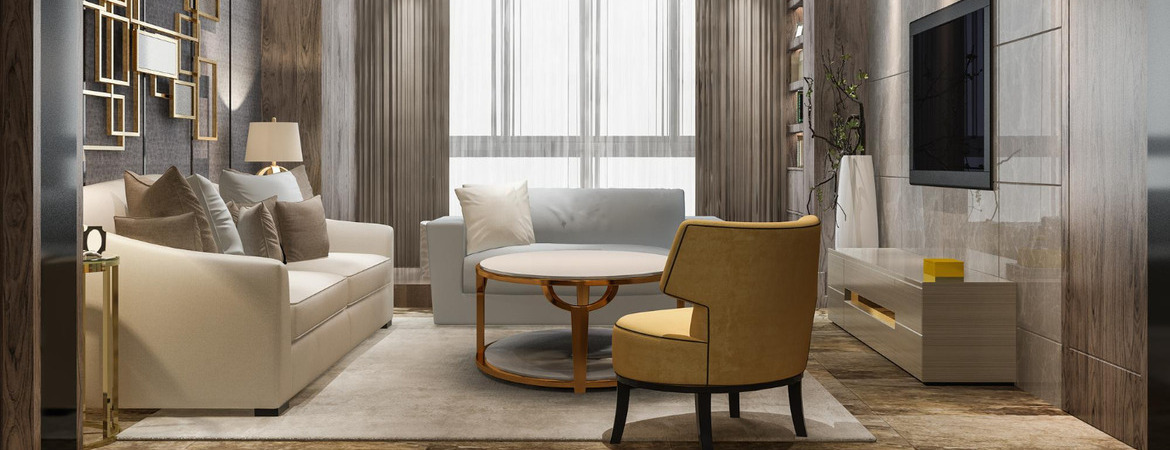
Second Hand Furniture Melbourne
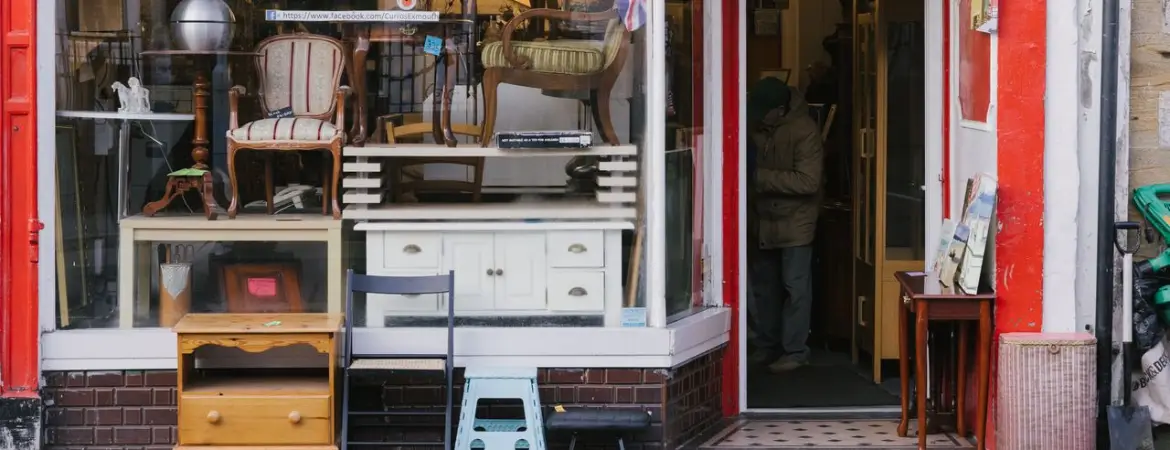
Melbourne is a city that loves character, laneway cafes with mismatched chairs, heritage terraces filled with vintage finds, and a culture that genuinely values sustainability and individuality over mass-produced sameness. It’s no surprise, then, that second-hand furniture has become such a popular choice for Melburnians furnishing their homes, apartments, offices, and share houses. Whether you’re a student moving into your first rental, a young family setting up a new home, or simply someone who wants to reduce waste and save money, buying second-hand furniture in Melbourne offers a smart, affordable, and often surprisingly stylish alternative to buying everything brand new.
Explore why second-hand furniture has become such a popular choice across Melbourne, what to look for when buying it, where different types of buyers tend to shop, and how to make the most of your budget without compromising on quality or style.
Why Second Hand Furniture Is Booming in Melbourne
Melbourne’s population is famously transient. Between students arriving for university, professionals relocating for work, and renters moving between suburbs every year or two, there’s a constant churn of people setting up and packing down homes. This transient lifestyle naturally fuels a strong second-hand furniture market; pieces that one household no longer needs often find a perfect new home with someone else entirely.
Beyond convenience, there are several deeper reasons why second-hand furniture continues to grow in popularity across the city.
1. Affordability Without Compromise
New furniture, particularly well-made pieces, can be expensive. A quality sofa, dining table, or bed frame from a retail store can easily cost thousands of dollars. Second-hand furniture allows Melburnians to access well-built, sometimes even designer, pieces at a fraction of the original price. For renters who may move again within a year or two, this affordability is especially appealing; there’s less financial risk in owning furniture that didn’t cost a fortune to begin with.
2. Sustainability and Reduced Waste
Australians throw away enormous amounts of furniture every year, much of which ends up in landfill. Buying second hand is one of the simplest and most effective ways to reduce your environmental footprint. Instead of contributing to demand for new manufacturing, which consumes raw materials, energy, and transport resources, purchasing pre-loved furniture extends the life cycle of existing items and keeps usable pieces out of landfill. For environmentally conscious Melburnians, this is often the single biggest motivator.
3. Unique Character and Style
Mass-produced flat-pack furniture can make homes feel generic. Second-hand furniture, on the other hand, often carries unique design details, solid timber construction, or retro styling that simply isn’t available in modern retail ranges. Many Melbourne homes, particularly those in inner-city suburbs with a strong creative culture, embrace an eclectic mix of vintage and modern pieces to create a distinctive, lived-in aesthetic.
4. Better Build Quality (Sometimes)
Older furniture, particularly pieces made a few decades ago, was often built using solid timber, dovetail joints, and sturdier construction methods compared to some modern budget furniture, which can rely heavily on particleboard and veneer. Savvy second-hand shoppers know that with a little research, it’s possible to find furniture that will outlast many newer, cheaper alternatives.
What to Look for When Buying Second-Hand Furniture
While second-hand furniture offers plenty of upside, it does pay to shop with a discerning eye. Here are some practical tips for making sure you’re getting a good piece.
- Inspect the structure first: Sit on chairs, open drawers, and check that joints are tight and stable. Wobbly legs or loose joints can sometimes be fixed easily, but structural issues in the frame itself are harder to repair.
- Check for pests and odours: Musty smells, mould, or signs of pest damage (small holes, sawdust residue) are red flags, particularly for upholstered items or timber pieces that have been stored in damp conditions.
- Look closely at upholstery: Fabric and cushioning can often be replaced or reupholstered, but it’s worth factoring this cost into your budget if the existing fabric is stained, torn, or worn thin.
- Measure before you buy: It’s easy to fall in love with a piece and forget to measure your space, doorways, hallways, and stairwells. Second-hand pieces, especially larger vintage items, are sometimes bulkier than modern equivalents.
- Ask about the item’s history: If buying from a private seller, it’s reasonable to ask how old the piece is, whether it’s been repaired before, and why it’s being sold. This can give you a good sense of its condition and value.
Where Melburnians Typically Shop for Second Hand Furniture
Melbourne offers a wide range of options for those hunting for second-hand furniture, and different types of buyers tend to gravitate toward different sources depending on what they’re looking for.
- Op shops and charity stores are popular for smaller, budget-friendly finds, think side tables, bookshelves, and the occasional statement chair. Prices are generally low, though stock can be inconsistent since it depends entirely on donations.
- Local online marketplaces have become one of the most common ways Melburnians buy and sell furniture directly with one another. These platforms offer huge variety, from entire lounge suites to single decorative pieces, though buyers need to arrange their own pickup and do their own due diligence on quality.
- Council hard rubbish collections are something of a Melbourne institution. Many people successfully furnish entire share houses by keeping an eye on hard rubbish nights in different suburbs, though this requires patience, some luck, and a willingness to inspect items carefully before taking them home.
- Furniture recycling and reuse centres specialise in selling pre-loved and reclaimed furniture, often at very accessible prices, while supporting broader sustainability and community goals.
- Specialist second-hand and outlet furniture retailers offer a more curated, reliable option for buyers who want the affordability of second-hand shopping but with more consistency in quality, condition, and availability than private sales typically offer.
Second Hand vs. Factory Seconds: What’s the Difference?
It’s worth understanding an important distinction in this space: second-hand furniture and factory seconds furniture are not the same thing, though both offer excellent value.
Second-hand furniture refers to items that have been previously owned and used, sometimes for many years, before being resold. Its condition can vary significantly depending on age, wear, and how well it was cared for.
Factory seconds furniture, by contrast, refers to brand new furniture that has never been used by a previous owner but has a minor cosmetic flaw, such as a small mark, a slight colour variation, or a minor imperfection in the finish, that means it doesn’t meet the standard required for full-price retail sale. Structurally and functionally, factory seconds furniture is typically identical to first-quality stock, but it’s sold at a significantly reduced price because of these small, often barely noticeable, imperfections.
For many Melbourne buyers, Seconds furniture offers the best of both worlds: the affordability associated with second-hand shopping, combined with the reliability, cleanliness, and newness of buying brand new furniture.
Making the Most of Your Budget
Whether you choose traditional second-hand furniture or factory seconds, there are a few strategies that can help you stretch your furniture budget further in Melbourne.
Start by prioritising the pieces you’ll use most; a bed, a sofa, and a dining table are usually worth spending a little more on for comfort and durability, while smaller decorative items can be picked up cheaply and swapped out over time.
Mix and match rather than trying to buy an entire matching set at once. Some of the most stylish Melbourne homes combine pieces from different eras and sources, creating a curated look rather than a showroom-matched one.
Be patient. The best second-hand and factory seconds finds often require a bit of searching, so give yourself time rather than rushing into the first option you see.
For those who want the reliability of brand new furniture with the affordability of second-hand shopping, Seconds Furniture is a great option to consider. Seconds Furniture, a brand with stores located in Sydney and Melbourne, offers factory seconds furniture, brand new pieces with minor cosmetic imperfections, allowing Melbourne shoppers to enjoy quality furniture at a fraction of the usual price, without compromising on comfort or durability.
Frequently Asked Questions
1. Is second-hand furniture in Melbourne safe to buy?
Yes, in most cases, as long as you inspect items carefully for structural integrity, pests, and odours before purchasing. It’s a good idea to check joints, upholstery, and overall stability, and to ask sellers questions about the item’s age and history where possible.
2. What is the difference between second-hand furniture and factory seconds furniture?
Second-hand furniture has been previously owned and used, so its condition varies. Factory seconds furniture is brand new and unused but has a minor cosmetic flaw that prevents it from being sold as first-quality stock, meaning it’s typically sold at a reduced price despite being otherwise new.
3. Where can I find affordable second-hand furniture in Melbourne?
Common sources include op shops, online marketplaces, council hard rubbish collections, and specialist reuse or outlet furniture retailers, each offering different levels of variety, pricing, and consistency.
4. Is factory seconds furniture a good alternative to second hand furniture?
Yes, for many buyers it offers the best of both worlds, the affordability of second-hand shopping combined with the newness and reliability of brand new furniture, since factory seconds items are typically only affected by very minor cosmetic imperfections.
5. How can I tell if a second-hand piece of furniture is good quality?
Look for solid construction, tight joints, minimal wear on structural components, and materials like solid timber rather than particleboard. Testing stability by sitting on or gently shaking the item can also help reveal any underlying issues before you buy.