



Rustic Furniture Sydney
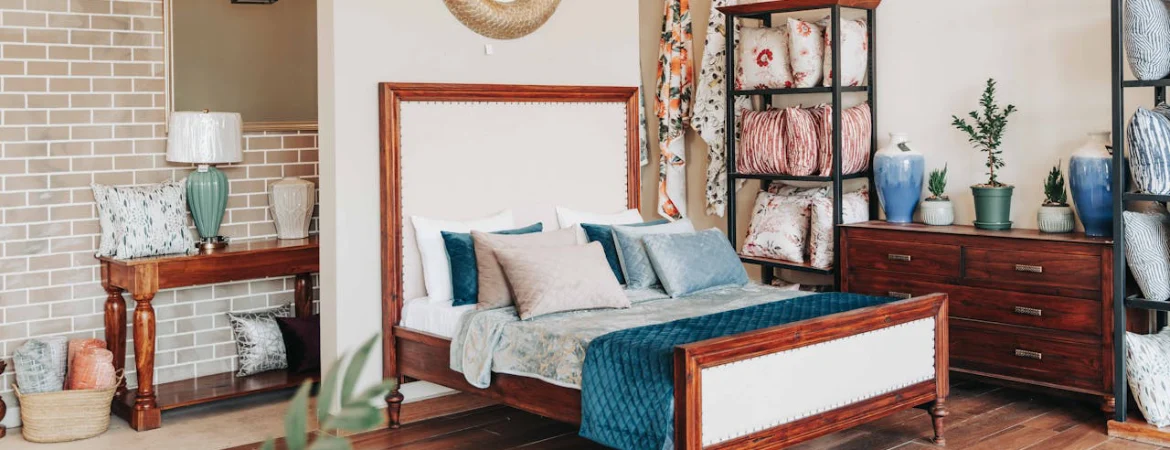
There is something deeply appealing about rustic furniture. It carries a sense of history, warmth, and authenticity that modern, mass-produced pieces simply cannot replicate. For homeowners across Sydney looking to create spaces that feel lived-in, welcoming, and genuinely beautiful, rustic furniture offers the perfect solution. Whether you are furnishing a sprawling home in the suburbs, a coastal retreat, or a compact inner-city apartment, rustic pieces have a remarkable ability to anchor a space and give it soul.
What is Rustic Furniture?
Rustic furniture draws inspiration from nature and traditional craftsmanship. It typically features natural materials, most commonly solid timber, and celebrates the raw, imperfect beauty of organic textures. Knots in the wood, grain variations, slightly uneven edges, and weathered finishes are not flaws in rustic furniture; they are the entire point. Each piece tells a story.
Unlike sleek, minimalist contemporary furniture, rustic pieces feel grounded and tactile. They pair beautifully with natural fibres, stone surfaces, warm lighting, and earthy tones. But they are also remarkably versatile; rustic timber furniture can sit comfortably in a modern farmhouse, a Hamptons-style home, a Scandi-influenced interior, or even a contemporary urban space where it adds contrast and warmth.
Types of Rustic Furniture Available in Sydney
Understanding the different types of rustic furniture helps you make more informed decisions for each room in your home.
1. Rustic Dining Tables
The dining table is often the centrepiece of a home, and a solid timber rustic dining table makes an unmistakable statement. These tables are typically crafted from hardwoods such as acacia, pine, oak, or recycled timber. They often feature thick tabletops, visible grain, and sturdy trestle or hairpin legs. Some designs incorporate a live edge, where the natural edge of the timber slab is preserved, for a dramatic, organic look.
2. Rustic Buffets and Sideboards
A rustic buffet or sideboard adds both storage and character to a dining room or living area. These pieces typically feature distressed timber finishes, chunky hardware, and open shelving or closed cabinetry. They work well as media units, entryway consoles, or storage pieces in a study.
3. Rustic Bed Frames
A rustic timber bed frame transforms a bedroom into a sanctuary. Solid timber construction gives bed frames a sense of permanence and quality. From simple, clean-lined frames to more elaborate panel designs with reclaimed timber headboards, the range of rustic beds available suits a variety of bedroom styles.
4. Rustic Coffee Tables
Coffee tables in a rustic style often feature chunky timber tops, metal or timber bases, and a sturdy, low-slung profile. Some incorporate shelf storage below, which is both practical and visually appealing. A rustic coffee table anchors a living room and pairs beautifully with linen sofas and rattan accents.
5. Rustic Shelving and Bookcases
Open timber shelving adds warmth and function to any room. In a rustic style, shelves are often made from reclaimed or rough-sawn timber with simple metal brackets or solid timber frames. They suit kitchens, living rooms, home offices, and bedrooms alike.
6. Rustic Outdoor Furniture
Sydney’s outdoor lifestyle calls for furniture that can handle the elements while looking great. Rustic outdoor furniture, including dining settings, bench seats, and side tables, is often made from durable hardwoods or treated pine, designed to weather beautifully over time.
7. Rustic Accent Pieces
This category includes side tables, bar stools, console tables, hall stands, and occasional chairs. These pieces are perfect for adding rustic character to a space without committing to a full furniture overhaul.
What to Look for When Buying Rustic Furniture
Not all rustic furniture is created equal. Here is what to assess before making a purchase.
- Solid Timber Construction: The hallmark of quality rustic furniture is solid timber, not veneer, not MDF with a timber-look finish, but genuine solid wood. Run your hand along the surface and examine the edges. Solid timber will show consistent grain throughout; veneered or engineered products will often reveal a different material at the edges or joins.
- Joinery Quality: Pay attention to how the piece is put together. Quality rustic furniture uses robust joinery techniques, mortise and tenon joints, dovetail drawers, or reinforced corner blocks. Avoid pieces held together primarily by staples or cheap dowels, which will loosen over time.
- Finish and Treatment: A good finish protects the timber while enhancing its natural beauty. Look for pieces with oil, wax, or lacquer finishes that penetrate the wood rather than sit on top of it. Ask whether the finish is food-safe if you are purchasing a dining table.
- Timber Species: Different timbers have different characteristics. Hardwoods such as acacia, oak, and messmate are durable and develop a beautiful patina over time. Pine is softer and more affordable, lending itself well to painted or lightly stained rustic finishes. Recycled timber adds history and uniqueness, but should be sourced from reputable suppliers to ensure structural integrity.
- Weight and Stability: Quality rustic furniture is generally heavy. Lift a corner of the piece; if it feels insubstantial, the construction may not match the aesthetic. Test chairs and tables for wobble; well-constructed pieces should sit firmly and evenly.
- Proportions and Scale: Rustic furniture tends to be substantial, so it is important to match the scale of your pieces to the size of your room. Measure carefully before purchasing and consider how the piece will look alongside your existing furniture.
How to Choose the Right Rustic Furniture for Your Home
Choosing rustic furniture is not just about picking pieces you like; it is about creating a cohesive, functional space that reflects your lifestyle.
- Define your style direction: Rustic furniture sits within several broader interior styles, such as farmhouse, Hamptons, Scandi, industrial, or eclectic. Identifying which direction appeals to you will help you make more consistent choices. Farmhouse interiors tend toward warm, honey-toned timbers and vintage-inspired hardware; Scandi-rustic spaces favour lighter timbers and cleaner lines; industrial-rustic interiors often combine dark timber with raw metal.
- Start with anchor pieces: Rather than buying everything at once, begin with the most dominant piece in a room, usually the dining table or bed frame, and build around it. This prevents over-furnishing and allows you to make considered additions over time.
- Mix textures thoughtfully: Rustic furniture works best when it is layered with complementary textures. Think linen, wool, rattan, leather, and stone. Avoid pairing rustic timber with too many shiny or synthetic surfaces, as this can undermine the warm, organic feel you are aiming for.
- Consider the long term: Rustic furniture is designed to last. These are not pieces you will replace in a few years. Choose pieces that you genuinely love, and that will continue to suit your space as your interior evolves.
- Think about practicality: A beautiful rustic dining table is only enjoyable if it is easy to maintain. Ask about care requirements before purchasing, and choose finishes that suit your household, particularly if you have children or pets.
Why Choose Factory Seconds Rustic Furniture
Here is where things get genuinely exciting for savvy Sydney furniture buyers. Factory seconds furniture refers to pieces that are brand new, manufactured to full specification, but sold at significantly reduced prices due to minor cosmetic imperfections, overstock situations, or discontinued lines. These are not damaged goods or second-hand items. They are new furniture, offered at a fraction of the regular retail price.
For rustic furniture in particular, factory seconds are an ideal fit. Because the rustic aesthetic already celebrates natural imperfections, knots, grain variations, and slight colour differences, the minor cosmetic issues that classify a piece as a factory second are virtually indistinguishable from the intentional character of the style. A small surface mark or a slight variation in finish colour that might be noticeable on a sleek contemporary piece is completely at home on a rustic timber table or sideboard.
FAQs
1. Is rustic furniture suitable for small spaces?
Absolutely. While rustic furniture tends to be substantial, the range of available sizes means you can find pieces scaled appropriately for smaller rooms. A compact rustic coffee table, a slim sideboard, or a single solid timber bookcase can add character to a small apartment without overwhelming it. The key is to choose one or two statement rustic pieces and keep the rest of the furnishings lighter.
2. How do I care for solid timber rustic furniture?
Solid timber furniture is straightforward to care for. Wipe spills promptly with a soft, damp cloth and dry immediately. Avoid placing hot items directly on timber surfaces; always use coasters or trivets. Periodically apply a timber oil or conditioning wax to nourish the wood and maintain its finish. Keep furniture away from direct sunlight and air conditioning vents, which can cause timber to dry out and crack over time.
3. What is the difference between rustic furniture and recycled timber furniture?
Rustic furniture refers broadly to a style characterised by natural materials, organic textures, and a handcrafted aesthetic. Recycled timber furniture is a subset of this category, specifically made from timber salvaged from old buildings, bridges, or other structures. Recycled timber pieces carry genuine history and unique character, and they are also an environmentally conscious choice. Not all rustic furniture uses recycled timber; many pieces are crafted from new solid hardwood, but both approaches can produce beautiful results.
4. Can rustic furniture work in a modern or contemporary home?
Yes, and often brilliantly. Rustic timber pieces used as contrast elements in a contemporary interior add warmth and prevent spaces from feeling sterile or impersonal. A solid timber dining table in a sleek, white kitchen, or a reclaimed wood coffee table in a minimalist living room, creates a compelling visual tension that makes interiors feel more considered and layered.
5. Are factory seconds furniture pieces structurally sound?
Yes. Factory seconds are classified as such due to cosmetic imperfections, not structural defects. These pieces are manufactured to the same standards as full-price items. The difference is purely aesthetic, and in many cases, the so-called imperfection is barely noticeable. Always ask the retailer to explain the specific reason a piece is classified as a factory second before purchasing.
6. How long does solid timber rustic furniture last?
With proper care, solid timber rustic furniture can last decades, often a lifetime. Unlike flatpack or engineered wood furniture that deteriorates within a few years of regular use, solid timber pieces can be sanded, refinished, and restored, allowing them to remain beautiful and functional for generations. This longevity makes them an exceptional long-term investment, particularly when purchased at factory seconds prices.