

Storage Units Sydney
Sydney is one of Australia’s most densely populated cities. Whether you’re living in a compact inner-city apartment, running a growing business, or navigating a major life transition, finding extra space is a challenge that thousands of Sydneysiders face every day. Storage units in Sydney offer a practical, affordable solution, giving you a secure place to keep your belongings without the cost of a larger home or commercial premises.
What Are Storage Units and How Do They Work?
Storage units are individual, lockable spaces within a secure facility where you can store personal or business belongings for a set period. In Sydney, facilities range from compact locker-style units to large warehouse spaces capable of housing the full contents of a family home or commercial inventory.
The process is straightforward. You choose a unit size that suits your needs, sign up on a month-to-month or fixed-term basis, and gain access to your belongings whenever you need them. Most Sydney storage facilities are designed for easy self-access, with drive-up entry, wide corridors, and loading equipment available on-site.
Types of Storage Units Available in Sydney
Sydney’s storage market offers several types of units to suit different requirements:
- Self-Storage Units: The most common option. You bring your items to the facility, load your unit yourself, and access it at your convenience. Available in a wide range of sizes, from small lockers to large garage-sized spaces.
- Climate-Controlled Storage: Ideal for sensitive items such as timber furniture, electronics, artwork, musical instruments, wine, and important documents. These units maintain a consistent temperature and humidity level, protecting your belongings from Sydney’s seasonal extremes.
- Drive-Up Storage: Ground-floor units with direct vehicle access, allowing you to load and unload without carrying items through corridors or up lifts. Popular with businesses storing equipment, tools, or stock.
- Mobile Storage: A growing option in Sydney where a storage container is delivered to your home or business. You pack it at your own pace, and it is then collected and stored at a secure facility. Ideal if you want to avoid multiple trips to a storage centre.
- Business and Warehouse Storage: Larger commercial-grade spaces designed for businesses with pallet storage, bulk inventory, document archiving, or logistics requirements.
Storage Unit Sizes: Choosing the Right Fit
One of the most important decisions when renting a storage unit in Sydney is choosing the right size. Going too small means you’ll struggle to fit your items; going too large means paying for space you don’t need.
As a general guide:
- Small units (1-5 m²): Suitable for a few boxes, small furniture pieces, seasonal items, or archived business files. Ideal for apartment dwellers with minimal excess belongings.
- Medium units (5-10 m²): Can comfortably hold the contents of a one- to two-bedroom apartment, including furniture, appliances, and personal items. A popular choice for people moving between homes.
- Large units (10-25 m²): Suited to families, renovation projects, or businesses storing bulky equipment and stock. Can accommodate the full contents of a three-bedroom home.
- Extra-large units (25 m² and above): Commercial-scale spaces for businesses with significant storage demands, including container storage and pallet racking.
If you’re unsure what size you need, most reputable Sydney storage providers offer online space calculators or in-person consultations to help you choose without overpaying.
How Much Do Storage Units Cost in Sydney?
As of early 2026, self-storage prices in Sydney range from around $7 to over $6,000 per month across hundreds of units and dozens of facilities, with the median price for a medium unit sitting at approximately $380 per month.
Several key factors influence how much you’ll pay:
- Location: A unit in the heart of the Sydney CBD or popular inner suburbs will naturally cost more than one in the outer suburbs, where land is less of a premium. If you don’t need frequent access, choosing a facility slightly further from the city centre can deliver significant savings.
- Unit Size: Larger units carry higher monthly rates, though they are often cheaper on a per-square-metre basis. Choosing a size slightly larger than you think you need makes it easier to move things around and prevents items from being packed too tightly.
- Rental Duration: While a month-to-month plan gives you flexibility, you’ll often pay a higher weekly rate for it. Committing to a longer term can unlock meaningful discounts.
- Climate Control: Climate-controlled units typically cost 35-50% more than standard ones, but for sensitive or high-value items, the extra cost is well worth the protection.
- Access Level: 24/7 access, ground-floor drive-up units, and other convenience features may attract a small premium over standard business-hours access.
What to Look for in a Sydney Storage Facility
Not all storage facilities are equal. When comparing options in Sydney, consider these key factors:
- Security: This is non-negotiable. Look for facilities with 24/7 CCTV surveillance, individual unit alarms, electronic gate access with personal PIN codes, and well-lit common areas. A secure facility gives you peace of mind that your belongings are protected at all times.
- Accessibility: Consider how often you’ll need to visit your unit. If you need regular access, a cheaper facility further away could cost more in time and travel; sometimes the closer, pricier option is the better deal overall.
- Cleanliness and Maintenance: A well-maintained facility reduces the risk of pest damage, moisture, and deterioration of your stored items. Always inspect a facility before committing.
- Flexible Terms: Month-to-month contracts without lock-in periods are ideal if your storage needs are uncertain. Avoid providers that charge excessive penalties for early exit.
- Transparent Pricing: Some storage centres charge for things like administration fees, mandatory lock purchases, or insurance, and prices can increase significantly after the first month. Always ask for a full breakdown before signing.
- Insurance: Check whether the facility offers contents insurance or whether your existing home and contents policy covers items in storage.
Who Uses Storage Units in Sydney?
Storage units in Sydney serve a wide range of customers:
- Renters and homeowners moving between properties who need temporary storage during the transition.
- Downsizers clearing out a larger home who want to keep belongings they’re not ready to part with.
- Renovators who need to protect furniture and valuables while building work is underway.
- Students need somewhere to store their belongings between university terms.
- Businesses looking for a cost-effective alternative to larger commercial premises for stock, equipment, tools, or archived documents.
Whatever your situation, Sydney’s storage market has flexible options to match.
FAQs
1. What types of storage units are available for Sydney homes?
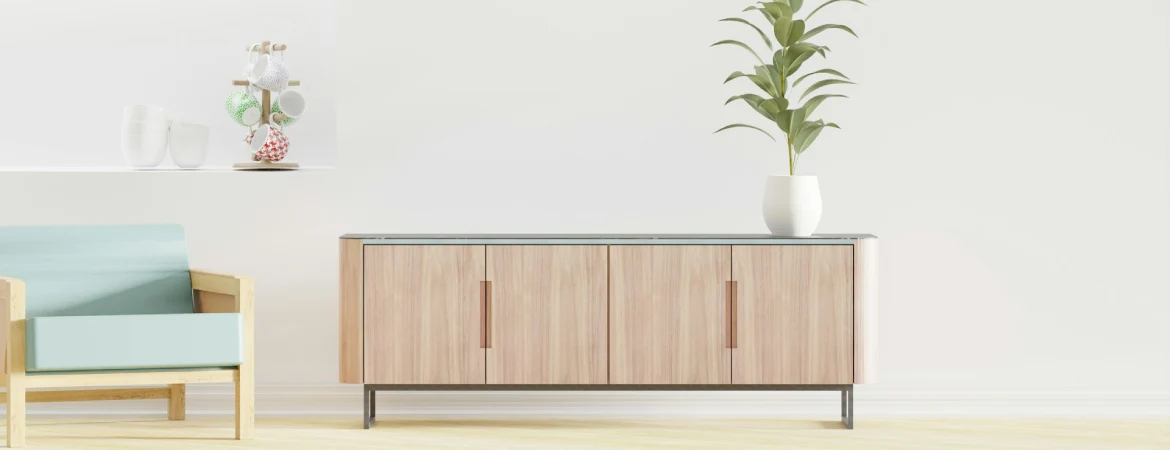
Storage units for the home cover a broad range of furniture pieces, sideboards and buffets, TV units with enclosed cabinetry, bookcases, display cabinets, chest of drawers, ottomans with internal storage, hall stands, and modular shelving systems. The right type depends entirely on the room and purpose. For living areas, a sideboard or media unit with closed doors keeps clutter hidden while remaining accessible. For bedrooms, a chest of drawers or a wardrobe unit provides organised clothing storage. For entryways, a hall stand with hooks, shelving, and a drawer compartment serves multiple functions in a compact footprint.
2. How do I choose the right storage unit for a small Sydney apartment?
In smaller homes and apartments, the priority is maximising function without sacrificing floor space. Look for storage units that are tall rather than wide. A narrow bookcase or slim tower unit draws the eye upward and uses vertical space efficiently. Pieces with a combination of open shelving and closed cabinetry are particularly useful, allowing you to display select items while concealing everyday clutter behind doors. Avoid overly bulky units with deep profiles in tight spaces, and opt for pieces with legs rather than those that sit directly on the floor, as this creates a sense of visual lightness and makes a room feel less crowded.
3. What materials are best for long-lasting storage furniture?
Solid timber is the gold standard for storage unit construction. It is strong, durable, and capable of holding significant weight without warping or bowing over time, a critical quality in a storage piece that will be loaded with books, crockery, linen, or other household items. Check that shelves are made from solid timber or thick engineered board rather than thin particleboard, which tends to sag under load. For drawer construction, look for dovetail or box jointing rather than stapled or glued connections, as these hold up far better with daily use. Metal-framed units with timber shelving are another durable option, particularly suited to industrial or contemporary interiors.
4. How can I get quality storage furniture in Sydney at an affordable price?
Storage units classified as factory seconds are new items sold at a discount due to minor cosmetic imperfections, a small mark on a side panel, a slight colour variation in the timber grain, or a discontinued finish. None of these affects the structural integrity or daily function of the piece. Given that storage units are often placed against walls where sides are rarely seen, or filled with items that draw the eye away from the surface, cosmetic imperfections are even less noticeable than on other furniture types. It is a highly practical way to invest in quality without paying full retail price.
5. What should I look for when assessing the quality of a storage unit before buying?
Open every door and drawer; they should glide smoothly, sit flush when closed, and show no signs of misalignment. Check that soft-close mechanisms, where included, engage consistently. Examine the back panel of the unit, as cheaper pieces often use very thin cardboard-like backing that offers little structural support; a quality piece will have a solid timber or thick board back. Test the shelves for flex by applying gentle downward pressure; they should feel solid and show no movement.
6. Can storage units be used in outdoor or semi-outdoor spaces in Sydney?
While most storage units are designed for indoor use, Sydney’s lifestyle often calls for storage solutions in alfresco areas, covered patios, and garage spaces. For semi-outdoor use under a covered area protected from direct rain, solid hardwood units with an oil or wax finish can perform reasonably well, particularly in Sydney’s temperate climate. However, for fully exposed outdoor spaces, it is advisable to choose storage furniture specifically designed for exterior use, pieces made from treated hardwood, powder-coated metal, or weather-resistant composite materials.