



Leather Furniture Cleaning for Australian Homes
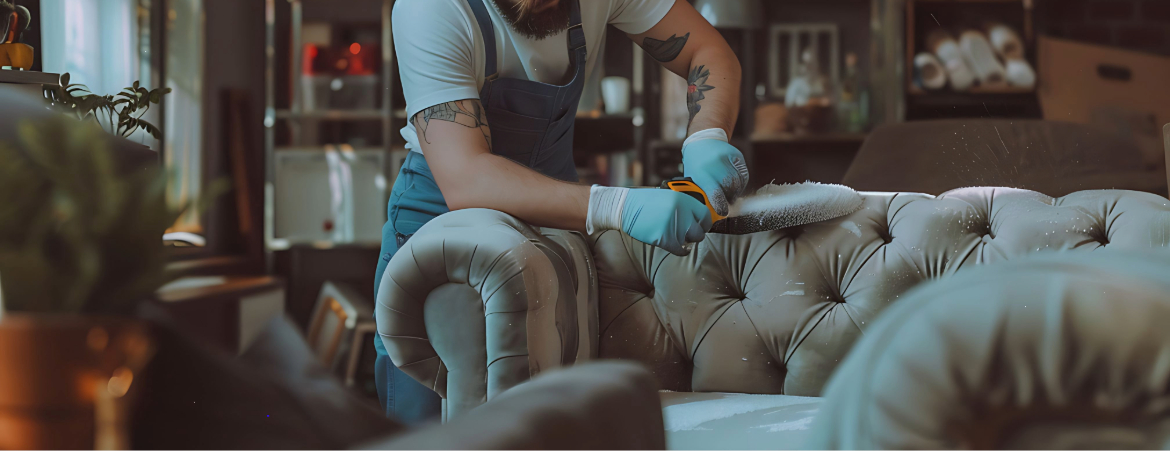
Australia’s unique climate presents particular challenges for leather furniture owners. From the humidity of Queensland’s tropical north to Melbourne’s four-seasons-in-one-day weather, and Sydney’s coastal salt air to Perth’s dry heat, your leather pieces need specialised care to maintain their beauty and longevity.
Understanding Your Leather Type
Before reaching for any cleaning product, identifying your leather type is crucial. Using the wrong method can cause irreversible damage.
Aniline Leather
This is the most natural and luxurious leather, retaining the hide’s original texture and markings. Aniline leather is incredibly soft, but also the most vulnerable to staining and sun damage. You’ll find this premium leather in high-end furniture pieces, and it’s particularly susceptible to fading in Australia’s harsh UV environment.
Cleaning approach: Aniline leather absorbs liquids quickly, so prevention is paramount. Use only specialised aniline leather cleaners, never water-based products. Gentle dusting with a soft, dry cloth is your best regular maintenance. For spills, blot immediately with an absorbent cloth without rubbing. Professional cleaning is recommended annually, especially for pieces in sunny positions.
Semi-Aniline Leather
This leather has a light protective coating while maintaining much of the natural feel. It’s the middle ground between durability and natural beauty, making it popular in Australian homes with children or pets.
Cleaning approach: Semi-aniline leather tolerates gentle cleaning better than pure aniline. You can use a slightly damp microfibre cloth for regular cleaning, followed immediately by a dry cloth. For deeper cleaning, use pH-neutral leather cleaners specifically formulated for semi-aniline finishes. Test any product on an inconspicuous area first, as Australian manufacturing can vary.
Pigmented (Protected) Leather
This is the most durable leather type, featuring a polymer surface coating that makes it resistant to stains and fading. Most furniture leather in Australia falls into this category, and it’s ideal for our lifestyle and climate.
Cleaning approach: This leather type is the most forgiving. Regular vacuuming with a soft brush attachment removes dust and prevents it from settling into creases. For cleaning, mix a few drops of mild soap (like pure castile soap) with warm water, dampen a cloth, wring it thoroughly, and wipe down the surface. Always follow with a dry cloth to prevent water spots.
Nubuck and Suede Leather
These brushed leathers have a distinctive soft, velvety texture. They’re less common in Australian lounges due to their high maintenance requirements, but appear in accent chairs and ottomans.
Cleaning approach: Never use water or liquid cleaners on nubuck or suede. Invest in a proper nubuck brush and eraser specifically designed for these materials. Brush regularly in one direction to maintain the nap. For stains, use a specialised nubuck cleaner and always work from the outside of the stain inward to prevent spreading.
The Australian Climate Factor
Australia’s diverse climate zones require adapted care routines. In humid coastal areas from Cairns to Byron Bay, leather can develop mildew if not properly ventilated. Ensure your furniture isn’t pushed hard against walls, allowing air circulation. In these regions, consider using a dehumidifier during particularly muggy months.
In Australia’s arid inland regions and during Perth’s scorching summers, leather dries out faster. You’ll need to condition more frequently, perhaps every two months rather than the standard quarterly schedule. Keep leather furniture away from direct heat sources like radiators or reverse-cycle air conditioners.
Melbourne and Tasmania’s variable weather means your leather experiences expansion and contraction with temperature fluctuations. This makes regular conditioning even more critical to maintain flexibility and prevent cracking.
Furniture-Specific Cleaning Techniques
Leather Sofas and Lounges
These workhorses of Australian living rooms accumulate the most wear. Start by removing cushions and vacuuming all crevices where crumbs, dust, and pet hair collect. Pay special attention to the areas where backs meet seats, as body oils accumulate here.
For routine cleaning, work in sections approximately 50cm square. Apply your cleaner to the cloth, never directly to the leather. Work in circular motions, overlapping slightly to avoid streaking. The armrests and headrests receive the most contact and may need extra attention. If you notice darker patches developing, these are oil stains from skin contact and require a dedicated leather degreaser.
After cleaning, allow the sofa to air dry completely before anyone sits on it. This typically takes 2-3 hours, depending on your climate zone. Follow with a leather conditioner, applying sparingly and buffing thoroughly.
Leather Recliners and Armchairs
Recliners present unique challenges with their moving parts and multiple angles. Before cleaning, fully extend the recliner to access all surfaces. The areas around mechanical components often trap dust and debris. Use a soft brush to dislodge particles before wiping.
The seating area of recliners often shows wear patterns. These lighter patches aren’t necessarily damage, but compressed leather. Regular conditioning helps minimise this effect. For recliner footrests, which often contact shoes, you may need to clean more frequently with a leather-safe degreaser.
Leather Dining Chairs
Dining chairs face unique challenges from food spills, splashes, and constant movement. The backs of dining chairs also collect oils from hair products, a common issue in Australian homes.
After each meal, quickly wipe chairs with a dry microfibre cloth to remove crumbs and prevent staining. Weekly, do a more thorough clean with a barely damp cloth. For the chair backs, use a gentle degreaser monthly to prevent buildup. The seats benefit from conditioning every three months, as they experience significant pressure and friction.
Leather Ottomans and Footstools
These pieces often serve double duty as footrests and occasional seating. If used primarily as footrests, they’ll accumulate dirt from shoes. Consider establishing a shoes-off policy or placing a throw blanket over the ottoman when used as a footrest.
Clean ottomans weekly if they see daily use, paying attention to the top surface and any tufting or button details where dirt accumulates. Use a soft brush to clean around buttons without pulling on the leather.
Leather Office Chairs
Office chairs endure constant friction, body heat, and sometimes spills from coffee or lunch. The seat and backrest develop shine from compression over time. Clean these weekly with a pH-neutral cleaner, and condition monthly to combat drying from air conditioning.
Check the underside and sides of armrests, where hands grip repeatedly. These areas often show the first signs of wear and benefit from targeted conditioning. Swivel mechanisms can transfer grease onto leather, so wipe down the base of the seat regularly.
The Four-Step Australian Leather Care Routine
Step 1: Dust and Vacuum
Every week, vacuum your leather furniture using the soft brush attachment. This prevents abrasive particles from scratching the surface when you sit down. Don’t skip crevices, piping, and tufted areas where dust concentrates.
Step 2: Spot Clean
Address spills immediately by blotting with a clean, absorbent cloth. Never rub, as this drives the liquid deeper into the leather. For sticky residues like honey or jam (common in Australian households), use a barely damp cloth and work from the outside in.
Step 3: Deep Clean
Monthly for high-use pieces, quarterly for occasional-use furniture, perform a thorough clean. Use a leather cleaner appropriate for your leather type. Work methodically across the entire piece, maintaining consistent pressure and coverage. Rinse your cleaning cloth frequently to avoid redistributing dirt.
Step 4: Condition
After the leather has dried completely from cleaning, apply conditioner. Quality leather conditioners contain oils and waxes that penetrate the leather, keeping it supple. In Australia’s climate, this step prevents the brittleness that leads to cracking.
Apply conditioner with a soft cloth in thin layers, allowing each to absorb before applying more. Buff with a clean cloth until no residue remains. Over-conditioning leaves leather feeling greasy and can attract dirt.
Natural Cleaning Solutions for the Eco-Conscious Australian
Many Australian households prefer natural cleaning products. Here are tested methods that work well for protected leather types.
Gentle soap solution: Mix one tablespoon of pure castile soap in two cups of warm water. Dampen a cloth with this solution, wring thoroughly, and wipe the leather. Follow with a cloth dampened with plain water, then dry completely.
Vinegar and water: For stubborn stains on protected leather, mix equal parts white vinegar and water. Apply with a cloth, working gently on the stain. This solution cuts through grease effectively. Always rinse with a water-dampened cloth afterwards and dry thoroughly.
Lemon and cream of tartar paste: For tough stains on pigmented leather, make a paste of equal parts lemon juice and cream of tartar. Apply to the stain, let sit for 30 minutes, then wipe away with a damp cloth. This method works particularly well on ink marks.
Olive oil conditioner: After cleaning, you can use a tiny amount of olive oil as a natural conditioner for protected leather. Apply sparingly with a soft cloth and buff thoroughly. Use this method no more than quarterly, as overuse can leave leather sticky.
Tackling Common Australian Stains
Red Wine
Australia’s wine culture means leather and red wine often meet. Blot immediately with an absorbent cloth. Sprinkle the stain with cornflour or baking soda to absorb remaining liquid. Leave for several hours, then brush away and wipe with a barely damp cloth. For set stains, professional treatment is recommended.
Sunscreen and Insect Repellent
Essential in Australia but problematic for leather. These products contain oils that can darken leather permanently. If transferred from skin to furniture, clean immediately with a leather degreaser. Blot rather than rub, and repeat until no more product transfers to your cloth.
Pet Accidents
Blot up as much liquid as possible immediately. Clean with an enzymatic cleaner designed for leather to eliminate odours. Rinse with a water-dampened cloth and dry thoroughly. You may need to repeat this process several times. Conditioning afterwards is essential, as urine can dry out leather.
Mould and Mildew
In humid Queensland and coastal New South Wales, mildew can appear as white or green patches. Mix equal parts rubbing alcohol and water, apply with a cloth, and wipe affected areas. Dry immediately and thoroughly. Improve ventilation to prevent recurrence, and consider using moisture-absorbing products like DampRid in the room.
Ballpoint Pen and Crayon
Common in homes with children. For fresh ballpoint ink on protected leather, rubbing alcohol on a cotton swab can lift the stain. Dab gently, don’t rub. For crayon, try a hairdryer on low heat to soften the wax, then wipe away gently. Follow with leather cleaner.
UV Protection in the Australian Sun
Australia has the highest UV radiation levels in the world, and leather furniture fades quickly without protection. Position furniture away from direct sunlight, especially during the 10 AM to 3 PM peak UV hours. Use curtains or blinds to filter harsh light.
UV-protective leather conditioners are available and worthwhile for Australian homes. These products contain additives that absorb or reflect UV rays, significantly slowing colour degradation. Apply these specialised conditioners quarterly, or every two months, for furniture in sunny positions.
Consider window tinting or UV-blocking window film for rooms with expensive leather furniture. This protection benefits both your furniture and your skin.
Seasonal Leather Care
Summer: Increase conditioning frequency as heat dries leather faster. If using air conditioning, position leather away from direct airflow. Wipe down furniture more frequently as body oils transfer more readily in heat.
Autumn: Perfect time for thorough cleaning and conditioning before winter. Check for any summer damage and address it promptly.
Winter: In southern states, heating systems dry indoor air. Use a humidifier to maintain 40-60% relative humidity. Condition leather monthly during heavy heater use.
Spring: Inspect furniture for any winter damage. Deep clean and condition to prepare for increased summer use. Check for mould growth after winter humidity.
What to Avoid
Never use household cleaners, baby wipes, or general-purpose sprays on leather furniture. These contain harsh chemicals or excessive moisture that damagesthe leather’s finish. Don’t use saddle soap, which is formulated for equestrian leather and is too harsh for furniture.
Avoid placing leather furniture in conservatories or sunrooms without adequate UV protection. Don’t use colored cloths for cleaning, as dye can transfer. Never use heat to speed drying, as this causes leather to crack.
Don’t use silicone-based products, which create a temporary shine but prevent proper conditioning and can make leather slippery. Avoid over-wetting leather; your cleaning cloth should be barely damp, not dripping.
Professional Cleaning
Despite regular home care, professional cleaning every 12-18 months extends your leather furniture’s life significantly. Professional cleaners have access to specialised products and techniques, particularly for stubborn stains or deep conditioning.
Before a professional visit, identify all problem areas and any previous treatments you’ve applied. Most services cost between $150-$400 depending on furniture size and condition. Many Australian furniture retailers offer professional cleaning services or can recommend specialists.
Long-Term Leather Protection
Invest in leather protection cream when purchasing new furniture. These products create a barrier against staining without altering the leather’s appearance or feel. Reapply annually for continued protection.
Rotate cushions regularly to ensure even wear and fading. Use throws or covers on frequently used sections if your household includes young children or pets. This doesn’t mean covering beautiful leather permanently, but strategic protection for armrests during afternoon TV time can double their lifespan.
Keep pets’ nails trimmed to prevent scratches. Place a decorative blanket over favourite pet spots to minimise wear. For households with cats, provide alternative scratching surfaces and use deterrent sprays (tested away from leather first) on furniture legs.
Final Thoughts
Leather furniture represents a significant investment for Australian homes, but with proper care, quality pieces last for decades. The key is establishing a consistent routine appropriate for your climate zone and lifestyle. Regular gentle maintenance prevents the major problems that require expensive professional intervention.
Your leather furniture should feel supple, look rich, and smell pleasantly of natural leather. If it feels sticky, looks dull, or smells musty, adjust your care routine. Leather is remarkably resilient when treated correctly, adapting to our demanding Australian climate while maintaining its timeless appeal.
Remember that different rooms may require different care schedules. Your formal lounge’s leather armchairs need less intensive care than the family room recliner that hosts movie nights. Tailor your approach to each piece’s use level, position, and exposure to Australia’s challenging environmental conditions.
With these detailed techniques specific to our climate and lifestyle, your leather furniture will remain a source of comfort and style for many years to come.