



Vintage Furniture Shopping in Australia: Timeless Style for Every Room
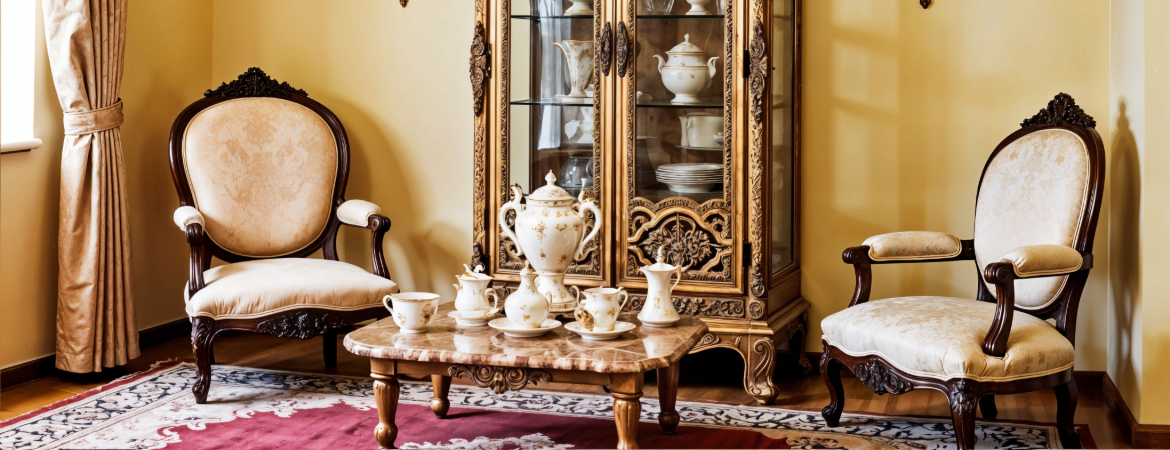
Vintage furniture has experienced a remarkable renaissance across Australia, transforming from dusty antique shop finds into highly sought-after design statements. Whether you’re in a heritage cottage in Adelaide, a modern apartment in Brisbane, or a coastal home in Perth, vintage pieces add character, sustainability, and unique style that mass-produced furniture simply cannot replicate.
Why Vintage Furniture is Trending in Australia
The Australian appetite for vintage furniture has surged dramatically, driven by environmental consciousness, quality craftsmanship, and the desire for unique interiors. Modern homeowners are increasingly aware that buying pre-loved furniture significantly reduces carbon footprints while often providing superior construction compared to contemporary mass-produced alternatives.
Key drivers of the vintage trend:
- Sustainability: Reducing waste and environmental impact
- Quality: Superior craftsmanship from bygone eras
- Uniqueness: One-of-a-kind pieces that add personality
- Value: Often more affordable than high-end new furniture
- Investment: Well-chosen pieces can appreciate over time
Social media has amplified this movement, with Australian interior enthusiasts showcasing how vintage pieces create captivating spaces filled with history and character. The rise of maximalism and eclectic design has made mixing old and new not just acceptable but highly desirable.
Iconic Vintage Furniture Styles Every Australian Should Know
Understanding different design movements helps you identify quality pieces and create cohesive interiors that reflect your personal style.
Mid-Century Modern (1950s-1970s)
This remains Australia’s most beloved vintage style, characterised by clean lines, organic curves, and warm timber tones. The aesthetic emphasises functionality without sacrificing beauty, making it perfect for contemporary living.
Signature features:
- Tapered wooden legs
- Teak, walnut, and rosewood materials
- Low-profile silhouettes
- Geometric patterns
- Integration of indoor-outdoor living
Art Deco (1920s-1930s)
Art Deco features glamorous, geometric designs, luxurious materials, and bold statements. These pieces work beautifully as focal points in Australian homes seeking sophistication and drama.
What to look for:
- Lacquered surfaces and chrome accents
- Geometric and sunburst patterns
- Rich veneers and exotic woods
- Curved forms and stepped designs
- Mirror and glass detailing
Industrial Vintage
Born from factory and warehouse settings, industrial furniture features raw materials and utilitarian design. This style has become increasingly popular in Australian loft apartments and urban conversions, particularly in Melbourne and Sydney’s warehouse districts.
The appeal lies in exposed metal frames, reclaimed timber surfaces, and honest construction that celebrates function. These pieces add edge and authenticity to modern interiors while remaining highly practical.
Scandinavian Vintage
Scandinavian design emphasises simplicity, light woods, and functional minimalism. This aesthetic aligns perfectly with Australia’s bright, airy lifestyle and has gained tremendous popularity in coastal regions.
Defining characteristics:
- Light oak, beech, and birch timbers
- Clean, uncluttered lines
- Functional, democratic design
- Natural materials and neutral palettes
- Emphasis on craftsmanship
Victorian and Edwardian (1837-1910)
These styles showcase ornate carvings, substantial proportions, and dark woods. While heavier than modern preferences, selective Victorian and Edwardian pieces can add gravitas and elegance to Australian heritage homes or create a striking contrast in contemporary spaces.
How to Buy Vintage Furniture: Expert Tips for Success
Successful vintage shopping requires knowledge, patience, and a discerning eye. The process differs significantly from buying new furniture, but the rewards are worth the effort.
Before You Shop
Start by defining your style and creating a clear shopping strategy. Develop a mood board of pieces you love, measure your spaces meticulously, and list specific items you need versus aspirational purchases. Understanding your preferred era helps focus your search and ensures aesthetic consistency.
Essential preparation steps:
- Measure doorways, hallways, and intended placement areas
- Research price ranges for desired pieces
- Set a realistic budget, including potential restoration costs
- Understand your home’s architectural style
- Create a priority list of needed items
Inspecting Quality and Condition
When you find a potential piece, thorough inspection is crucial. Examine structural integrity by checking for wobbly joints, cracks in wood, or splitting veneer. Always sit on chairs and sofas to test stability, open all drawers and doors to ensure smooth operation, and look underneath pieces for quality construction indicators.
Red flags to watch for:
- Active woodworm or beetle damage
- Strong musty odors indicating mold
- Extensive structural repairs or poor previous restoration
- Mismatched hardware, suggesting replaced parts
- Warping or water damage
Acceptable wear includes:
- Surface scratches and minor dents (add character)
- Faded upholstery (can be reupholstered)
- Tarnished hardware (easily cleaned or replaced)
- Minor veneer lifting (can be repaired)
The key is distinguishing between cosmetic issues and structural problems. Cosmetic wear often adds authenticity and can be addressed affordably, while structural damage may require expensive professional intervention.
Negotiating and Pricing
Vintage furniture pricing varies enormously based on condition, rarity, designer attribution, and current trends. Negotiation is standard practice in this market, so never hesitate to make reasonable offers.
Effective negotiating happens when you buy multiple items, pay with cash, point out repairs needed, or shop during quieter periods when sellers are more motivated. Be respectful and informed, research comparable pieces to understand fair market value before making offers.
Understanding Restoration Costs
A stunning piece at an attractive price can become expensive once you factor in restoration. Professional refinishing might cost several hundred dollars, while reupholstering a sofa could run into thousands. Always get quotes before committing to ensure your total investment makes sense.
Some repairs you can tackle yourself include minor scratches (with wood markers or wax), hardware replacement, tightening loose joints, and basic cleaning. However, structural repairs, veneer work, and professional refinishing should be left to experts to preserve value and integrity.
Integrating Vintage Furniture Room by Room
Successfully incorporating vintage pieces requires understanding proportion, balance, and function for each space in your Australian home.
Living Room: Creating the Heart of Your Home
The living room offers the most versatility for vintage furniture, serving as an ideal starting point for collectors. A vintage sofa or armchair can anchor the space while defining your aesthetic direction.
Key pieces to consider:
- Mid-century modern sofa or lounge suite
- Vintage coffee table in timber or glass
- Retro sideboard for storage and display
- Statement armchair as a reading nook
- Floor lamp with period-appropriate design
When mixing vintage with contemporary, use the 80/20 rule, 80% of one style with 20% accent pieces from another era creates visual interest without chaos. In living rooms, this might mean modern seating complemented by a stunning vintage coffee table and period lighting, or a vintage sofa paired with contemporary shelving and accessories.
Consider scale carefully in Australian living rooms, which vary from compact apartment spaces to sprawling open-plan areas. Vintage furniture was often designed for smaller homes, so pieces that seem substantial in a shop might feel perfectly proportioned in a modern apartment. Conversely, grand Victorian pieces need generous space to breathe and showcase their ornate details.
Dining Room: Vintage Pieces for Gathering
Dining rooms naturally suit vintage furniture, as quality dining sets were built to last generations. A beautiful vintage dining table becomes an heirloom piece that gathers family and creates memories.
Timber dining tables from the 1950s-1970s offer warmth and character with practical extending mechanisms for entertaining. Pair them with mismatched vintage chairs for an eclectic, collected-over-time aesthetic that’s both stylish and forgiving when accidents happen. Alternatively, invest in a matching set for formal elegance.
Essential dining room vintage:
- Extendable dining table in teak, walnut, or oak
- Vintage dining chairs (matching or eclectic mix)
- Sideboard or credenza for storage and serving
- China cabinet or display hutch for treasured items
- Bar cart for entertaining functionality
Sideboards and credenzas are particularly valuable vintage finds, offering substantial storage while serving as display surfaces. Scandinavian and mid-century designs feature beautiful timber work with sliding doors and clever compartments, perfect for modern dining needs.
Bedroom: Restful Vintage Retreats
Bedrooms benefit from vintage furniture’s warmth and character, creating personal sanctuaries with unique style. However, practical considerations like mattress sizes require attention when choosing vintage bed frames.
Australian mattress sizes have standardised over the decades, but vintage bed frames may not accommodate modern mattresses without modification. Queen and king sizes became standard relatively recently, so mid-century frames often suit double mattresses best. Work with craftspeople to adapt frames if needed, or embrace vintage double beds for guest rooms and children’s bedrooms.
Bedroom vintage essentials:
- Vintage bed frame (verify mattress compatibility)
- Timber dresser with quality drawers
- Bedside tables with storage
- Wardrobe or armoire for clothing
- Dressing table with a mirror for morning routines
Dressers and chests of drawers are excellent vintage investments, as quality construction ensures smooth-operating drawers that modern flat-pack furniture cannot match. Look for dovetail joints, solid timber construction, and substantial handles that withstand daily use.
Wardrobes and armoires add substantial storage while making architectural statements. These bedroom pieces work beautifully in homes lacking built-in robes, providing both function and vintage charm. Consider placement carefully, as these large items need adequate wall space and ceiling height.
Entryways and Hallways: Making First Impressions
Entrance areas benefit from vintage furniture that combines welcome with function. Console tables provide surface space for keys and mail while creating visual impact, hall stands offer coat and hat storage with vintage charm, benches or settees invite shoe removal, and statement mirrors reflect light and enlarge small spaces.
These transitional spaces suit bolder vintage choices, as shorter exposure time means people tolerate more dramatic pieces than they might in living areas where they spend hours daily.
Styling Tips: Making Vintage Work in Modern Australian Homes
Successfully integrating vintage furniture requires thoughtful styling that respects both the pieces and your home’s overall aesthetic.
Balance Old and New
The most successful vintage interiors blend eras rather than creating museum displays. Pair your vintage dining table with contemporary pendant lighting, place your mid-century sofa against a feature wall in modern paint colours, or display vintage furniture on contemporary rugs that define space and add softness.
This mixing prevents interiors from feeling dated or overly themed. Your home should reflect your personality and current lifestyle, not recreate a specific historical period unless that’s genuinely your passion.
Embrace Imperfection
Vintage furniture carries history in its patina, scratches, and wear patterns. These imperfections add authenticity and character that pristine reproductions cannot replicate. Rather than viewing wear as flaws, celebrate them as evidence of the piece’s journey and longevity.
However, distinguish between character and damage. Surface scratches add story, while structural instability requires repair. Clean and protect vintage pieces appropriately, but don’t over-restore them into sterile perfection.
Consider the Australian Climate
Australia’s diverse climate affects vintage furniture differently across regions. Tropical humidity in Queensland and the Northern Territory can cause timber swelling and veneer lifting, requiring climate control and regular maintenance. Dry heat in inland areas may cause timber shrinkage and cracking, necessitating humidifiers and protective finishes.
Coastal salt air accelerates metal corrosion and affects certain finishes, so industrial pieces near beaches need regular cleaning and protective coatings. Position valuable vintage pieces away from direct sunlight to prevent fading, particularly important in Australia’s intense UV conditions.
Reupholstering for Fresh Life
Vintage furniture with tired upholstery shouldn’t be dismissed. Professional reupholstering transforms worn pieces into stunning statement furniture while maintaining their structural quality and vintage bones.
Choose fabrics that complement your style while considering durability for Australian family life. Performance fabrics resist stains and wear while looking sophisticated, making them ideal for vintage sofas and chairs in active households. Don’t feel obligated to replicate original fabrics; contemporary textiles can highlight vintage forms beautifully.
Refinishing When Necessary
Sometimes vintage timber pieces need refinishing to restore their beauty. This process removes damaged finishes and applies fresh protection while preserving the timber’s patina and character.
Decide between professional refinishing for valuable or complex pieces versus DIY for simpler projects. Professional furniture restorers understand period-appropriate techniques and finishes, ensuring authenticity. However, basic sanding and oiling of simple timber pieces can be satisfying weekend projects for capable DIY enthusiasts.
Caring for Your Vintage Furniture Investment
Proper maintenance ensures your vintage pieces remain beautiful and functional for decades to come.
Regular Cleaning
Dust timber furniture weekly with soft cloths, avoiding harsh chemicals that damage finishes. For deeper cleaning, use products specifically designed for vintage timber, following grain direction to prevent scratching.
Upholstered pieces benefit from regular vacuuming with upholstery attachments, preventing dirt from embedding in fibres. Address spills immediately with appropriate cleaning methods for the fabric type.
Environmental Control
Maintain consistent temperature and humidity levels where possible, preventing timber expansion and contraction that causes damage. Position furniture away from heating vents, air conditioners, and direct sunlight streaming through windows.
In humid Australian climates, dehumidifiers protect against moisture damage, while dry regions may require humidifiers to prevent excessive shrinkage.
Professional Maintenance
Establish relationships with quality furniture restorers, upholsterers, and refinishers for periodic professional care. Annual inspections identify small issues before they become expensive problems, and professional cleaning every few years maintains upholstery freshness.
Keep records of restoration work, including before and after photographs, invoices, and details of materials used. This documentation adds value if you ever sell pieces and helps future restorers understand the furniture’s history.
The Investment Value of Vintage Furniture
Beyond aesthetic appeal, quality vintage furniture can appreciate financially while providing daily use and enjoyment. Designer pieces from recognised makers often increase in value, particularly when well-maintained and authenticated.
However, buy vintage furniture primarily because you love it, not solely as an investment. Market values fluctuate with design trends, and pieces you enjoy daily provide returns in quality of life regardless of resale potential.
Research before purchasing expensive pieces, understanding which makers, periods, and styles hold value. Join collector groups, read specialised publications, and develop expertise in areas that interest you personally.
Starting Your Vintage Furniture Journey
Beginning your vintage furniture collection can feel overwhelming, but start small with pieces that solve immediate needs and excite you personally. A single stunning mid-century sideboard or a set of vintage dining chairs can transform a room while teaching you about construction quality, design details, and your own preferences.
Visit furniture shops regularly to train your eye, handle pieces to understand quality indicators, and build relationships with dealers who can notify you when desired items arrive. Join online communities of vintage furniture enthusiasts who share finds, offer advice, and celebrate the hunt.
Most importantly, enjoy the process. Vintage furniture shopping combines history, design appreciation, and treasure hunting into an endlessly fascinating pursuit. Each piece brings stories, craftsmanship, and character into your Australian home, creating interiors as unique as you are.
The perfect vintage pieces are waiting to be discovered in suburban antique shops, weekend markets, online listings, and unexpected places throughout Australia. Your journey toward a more characterful, sustainable, and beautifully curated home begins with a single vintage find. Happy hunting!