



How to Choose the Right Furniture for Your Home
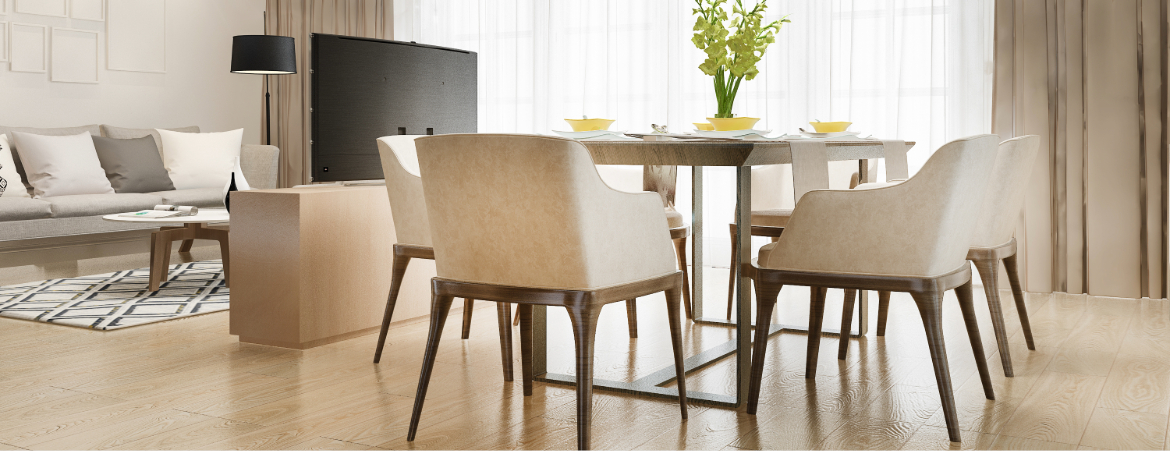
Selecting furniture for your home is one of the most significant investments you’ll make in creating a comfortable, functional living space. Whether you’re furnishing your first apartment in Sydney, updating your Brisbane family home, or styling a Perth coastal retreat, making informed furniture choices can transform your house into a home that reflects your lifestyle and withstands Australia’s unique climate conditions.
This comprehensive guide covers everything from room-by-room furniture selection to insider tips from interior designers, plus the most common furniture buying mistakes Australians make and how to avoid them.
Everything You Need to Know About Furniture Selection with an Interior Designer
Before diving into specific rooms, let’s explore the fundamental principles that interior designers use when selecting furniture for Australian homes.
Understanding Scale and Proportion: The Foundation of Great Design
One of the most critical aspects of furniture selection is understanding scale and proportion. A sofa that looks perfect in a showroom can overwhelm a small living room or appear lost in a large open-plan space, a common issue in Australian homes with their popular open-plan layouts.
Professional designer tips for getting scale right:
- Measure your room carefully before purchasing anything (length, width, and ceiling height)
- Consider not just floor space but also window placement and traffic flow
- Create a floor plan with accurate measurements
- Use painter’s tape to mark out furniture footprints on your floor
- Allow at least 75-90cm for comfortable walking paths between furniture
- Photograph your space and bring images when furniture shopping
This simple technique helps you visualise how pieces will fit and whether they’ll allow comfortable movement through the space. Interior designers never skip this step, and neither should you.
Climate Considerations Every Australian Homeowner Should Know
Australia’s diverse climate zones demand thoughtful furniture selection. What works beautifully in Hobart might deteriorate rapidly in Darwin.
Climate-specific furniture considerations:
- Tropical Queensland: Choose furniture that withstands high humidity without warping or developing mould (leather, synthetics, sealed timbers)
- Coastal NSW/Victoria: Opt for materials that resist salt air corrosion (powder-coated metals, marine-grade fabrics)
- Hot, dry climates: Select fade-resistant fabrics and materials that won’t crack in intense heat
- Cooler regions (Tasmania, Victorian High Country): Focus on warm, cozy materials that create inviting atmospheres
Interior designers working across Australia consistently recommend choosing furniture with appropriate finishes and fabrics for your specific location. This one decision can add years to your furniture’s lifespan.
Quality Over Trends: The Designer’s Golden Rule
While it’s tempting to follow every design trend, experienced interior designers advocate for investing in quality pieces that will last. The middle ground between budget flat-pack options and high-end designer pieces often provides the best value for Australian homes.
What quality construction looks like:
- Solid timber frames (not particleboard or MDF for structural elements)
- Proper joinery like dowels, corner blocks, or mortise-and-tenon joints
- High-density foam cushioning (minimum 35kg/m³ density)
- Eight-way hand-tied springs in premium upholstered pieces
- Reinforced stress points at arms and seat corners
- Removable cushion covers for easy cleaning
Quality construction with these features will outlast cheaper alternatives by years, making them more economical in the long run. A well-made sofa can last 15-20 years with proper care, while a budget version might need replacing in 3-5 years.
How to Choose the Right Furniture: A Room-by-Room Guide
Living Room: Creating the Heart of Your Home
Your living room sets the tone for your entire home and serves as the primary gathering space. Start with the largest piece first, typically the sofa, and build your furniture plan around it.
Choosing the perfect sofa for Australian living:
- Size matters: Standard three-seater sofas measure 2.1-2.4m in length
- Configuration: Modular designs offer flexibility for open-plan living
- Fabric selection: Performance fabrics with stain-resistant treatments are ideal for families
- Colour strategy: Neutrals provide longevity, while accent cushions add personality
- Comfort test: Sit for at least 5 minutes in the showroom, check seat depth and back support
For Australian homes with indoor-outdoor flow, consider materials that transition well between spaces, such as teak, powder-coated metal, or composite materials designed for outdoor use.
Coffee table rules of thumb:
- Position 45cm from your sofa for comfortable reach
- Choose a length that’s roughly two-thirds of your sofa length
- Ensure height is level with or slightly lower than seat cushions
- In small spaces, consider nesting tables or ottomans with storage
Additional seating tips:
- Mix textures and styles for visual interest while maintaining a cohesive colour palette
- For smaller Australian apartments, choose multifunctional pieces like ottomans with storage
- Accent chairs don’t need to match your sofa; complementary is better than matchy-matchy
- Consider swivel chairs for conversation flexibility in open-plan spaces
Dining Room: Where Memories Are Made
The dining table is often the second-largest furniture investment in a home, and size matters enormously here.
Dining table sizing guide:
- Allow at least 70cm per person for comfortable seating
- Ensure 90-120cm clearance around the table for chairs and movement
- For a family of four, look for tables 120-150cm long
- For regular entertaining, consider extendable options
Shape selection for your space:
- Round tables: Perfect for square rooms and facilitate conversation (seats 4-6 people)
- Rectangular tables: Suit longer spaces and accommodate more guests when needed
- Square tables: Intimate option for smaller households or breakfast nooks
- Oval tables: Combine the benefits of round and rectangular tables
Material considerations for Australian conditions:
- Solid timber: Timeless and durable, but requires maintenance in humid climates
- Glass: Creates a sense of space in smaller rooms, easy to clean
- Laminate/composite: Low maintenance, perfect for busy families with young children
- Marble/stone: Luxurious but requires sealing and careful maintenance
Dining chairs should have a seat height of approximately 45-50cm to pair comfortably with standard table heights of 75cm. If your dining area doubles as a workspace, common in Australian homes now, consider chairs with proper back support for extended sitting.
Bedroom: Your Personal Sanctuary
Your bedroom furniture should prioritise comfort and storage while creating a restful atmosphere.
Bed selection essentials:
- Size guide: Ensure 60-75cm clearance on each side for easy access
- Mattress quality: Invest in the best you can afford, as you spend a third of your life here
- Storage options: Beds with built-in drawers maximise space in smaller bedrooms
- Height considerations: Standard bed height is 50-60cm from floor to mattress top
Bedside table placement:
- Position level with or slightly below your mattress height
- Allow a 5-10cm gap between the bed and the table for bedding
- Choose a width proportional to your bed (narrower for singles, wider for kings)
- Consider wall-mounted options in tight spaces
Wardrobe and storage solutions:
Australian homes often have smaller built-in storage compared to international standards, making furniture storage crucial.
- Standard hanging space requires 60cm depth.
- Shelf space for folded items needs only 40cm depth
- Count your clothes realistically before purchasing
- Mirrored wardrobe doors make smaller bedrooms feel more spacious
- Consider modular systems that can adapt as needs change
Home Office: The Essential Modern Space
The rise of remote work has made home offices essential in Australian residences, requiring thoughtful furniture selection for productivity and comfort.
Desk requirements for effective work:
- Minimum 120cm width for computer, documents, and work materials
- 60-75cm depth provides adequate workspace without consuming excessive floor area
- Height should allow elbows at 90-degree angles when typing (typically 72-76cm)
- Cable management solutions keep workspaces tidy and professional
Choosing the right office chair:
Ergonomic office chairs are worth the investment if you’re working from home regularly.
- Adjustable height to suit your desk and body proportions
- Lumbar support to prevent back pain during long work sessions
- Breathable materials suited to Australian temperatures (mesh is excellent)
- Armrests that fit under your desk when not in use
- Five-wheel base for stability and mobility
Storage that works:
- Closed storage minimises visual clutter for video calls
- Vertical filing solutions save floor space
- Floating shelves keep frequently used items accessible
- In multipurpose rooms, consider furniture that conceals office items when not working
Children’s Rooms: Furniture That Grows with Your Family
Furniture for children’s rooms presents unique challenges as needs change rapidly. Smart selection can save thousands of dollars over the years.
Adaptable furniture choices:
- Convertible cribs that transform into toddler beds and eventually day beds
- Adjustable desk and chair sets that accommodate growing children
- Modular storage systems that can be reconfigured as needs change
- Neutral base furniture that can be updated with accessories as tastes evolve
Storage solutions that encourage independence:
- Low shelving accessible to children
- Labelled bins for toys and belongings
- Child-height hanging rails in wardrobes
- Under-bed storage for seasonal items or extra bedding
Critical safety considerations:
- Secure all tall furniture to the walls (required by Australian standards)
- Choose rounded corners to prevent injuries
- Ensure no small parts that could be choking hazards
- Check for non-toxic finishes and materials
- Verify compliance with Australian safety standards
Outdoor Living: Extending Your Australian Lifestyle
Australian homes uniquely emphasise outdoor living, making patio and deck furniture as important as indoor pieces.
Material selection for Australian conditions:
- Powder-coated aluminium: Rust-resistant, perfect for coastal areas, lightweight
- Synthetic wicker: UV-resistant, weatherproof, low maintenance
- Teak: Naturally weather-resistant, ages beautifully, requires occasional oiling
- Eucalyptus: Sustainable Australian option, naturally insect-resistant
- Stainless steel: Modern aesthetic, extremely durable in all climates
Outdoor furniture essentials:
- Follow the same spacing principles as indoor dining (70cm per person)
- Choose cushions with quick-dry foam and removable, washable covers
- Consider stackable or foldable options for seasonal storage
- Invest in quality outdoor covers to extend furniture lifespan
- Create shade with umbrellas or pergolas to protect furniture from harsh UV rays
Final Thoughts: Creating Your Perfect Australian Home
Remember that furniture selection is ultimately about creating spaces where you and your family feel comfortable, supported, and happy. The perfect sofa isn’t necessarily the most expensive or most trendy; it’s the one that fits your space, suits your lifestyle, and brings you comfort every day. Whether you’re furnishing a compact Melbourne apartment, a spacious Brisbane family home, or a coastal retreat in Western Australia, these principles will guide you toward furniture choices you’ll love for years to come.
Take your time, do your research, and don’t be afraid to ask questions of retailers and designers. Your home is your most significant investment, and the furniture you choose plays a crucial role in making it a place you’re proud to call home.