



How to Arrange Furniture in Australian Open-Plan Living Spaces
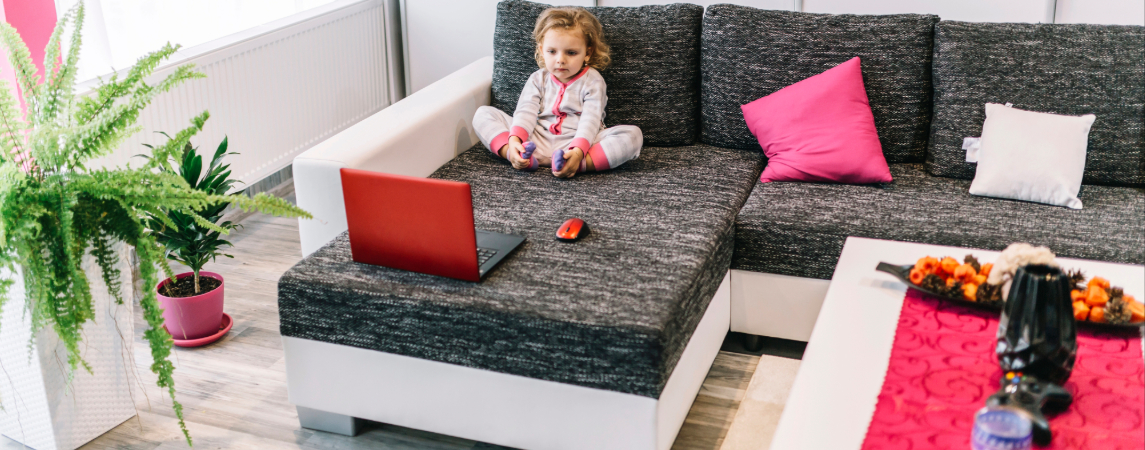
Open-plan living has become a very popular architectural and interior design style in modern Australian homes. The seamless flow between living, dining, and kitchen areas makes spaces brighter, airier, and more sociable. However, arranging furniture in open-plan areas requires creativity and strategic planning to define zones, maintain flow, and balance style with functionality. This extensive guide covers how to arrange furniture thoughtfully in Australian open-plan living spaces, with practical tips, ideas, and design principles tailored to the local lifestyle and design sensibilities.
Defining Zones with Furniture Placement
In open-plan spaces, walls do not separate different functions, so furniture arrangement acts as an invisible room divider. Creating zones without closing off the space is essential:
- Use Large Furniture as Boundaries: Position sofas or sectionals so their backs mark the edge of the lounge area. For example, an L-shaped sofa placed centrally can naturally separate the living space from the dining zone.
- Rugs and Carpets: Area rugs anchor furniture groups visually, such as a rug under the coffee table and seating in the living area, and another under the dining table to define the eating zone.
- Low Shelving and Sideboards: Use open shelving or sideboards to delineate zones while maintaining sightlines and openness.
- Statement Furniture Placement: Position a dining table so it acts as a natural border between the kitchen and living areas, enabling easy social interaction but also defining function.
Maintaining Natural Flow and Clear Pathways
The ease of movement through an open-plan space is vital to avoid a cluttered or blocked feeling:
- Leave Space Around Furniture: Pull sofas and chairs slightly away from walls (about 10 to 20 cm) to create a feeling of airiness.
- Clear Walkways: Plan pathways that are at least 60 cm wide for comfortable flow between zones.
- Avoid Overcrowding: Resist pushing all furniture pieces against walls or clustering too many large items.
- Consistent Design Elements: Repeat materials like timber, metal accents, or soft fabric textures to create visual unity and guide the eye naturally between zones.
Choosing Multi-Functional and Flexible Furniture
Open-plan living often demands adaptable furniture to maximise utility and comfort:
- Ottomans and Benches: Pieces that serve as extra seating, tables, or storage help save space and enhance flexibility.
- Extendable Dining Tables: Ideal when hosting guests, but compact when not in use.
- Lightweight and Modular Pieces: Chairs and side tables that are easy to move allow reconfiguration per occasion or mood.
Balancing Scale, Proportion, and Variety
Balancing visual weight and introducing interesting contrasts enriches the design:
- Mix Large with Small: Combine a large sectional sofa with smaller coffee tables and armchairs to avoid heaviness.
- Central Anchor Points: Arrange furniture around rugs, fireplaces, or large windows to ground the space.
- Blend Shapes and Styles: Combine angular and fluid shapes (rectangular sofas with round coffee tables) and mix materials to add depth but maintain harmony.
- Avoid Matching Sets: Instead of matchy-matchy, choose complementary furniture that ties together through tone and style rather than exact matching.
Lighting and Ambience
Lighting not only serves a function but also defines spatial zones in open-plan layouts:
- Layered Lighting: Use pendant lights over the dining table, floor lamps near seating areas, and recessed or ambient lights to achieve warmth and separation.
- Natural Light: Maximise connection to outdoor spaces by placing furniture to take advantage of sunlight and views, a hallmark of Australian homes.
- Accent Lighting: Table lamps and wall-mounted fixtures enhance cozier corners and focal points.
Smart Storage Solutions
Clutter can disrupt the openness and relaxation atmosphere of open-plan spaces. Practical storage is key:
- Integrated Storage: Use built-in units, shelving walls, or benches with storage below.
- Vertical Storage: Tall bookcases or shelving help utilise vertical space and add visual interest.
- Concealed Storage: Ottoman or coffee tables with hidden compartments keep everyday clutter away without sacrificing style.
Bringing Outdoor Aesthetics Indoors
Australian open-plan homes often blend indoor and outdoor living:
- Use Natural Materials: Timber, bamboo, linen, and cotton furnishings connect interiors with nature.
- Indoor Plants: Large potted plants create a link to outside garden spaces and add freshness.
- Coastal and Botanical Prints: Subtle use of prints on cushions or wall art evokes a relaxed, local vibe.
Trending Ideas Reshaping Australian Open-Plan Living
Open-plan living in Australia continues to evolve dynamically, reflecting broader social, environmental, and technological shifts. Beyond furniture placement and zoning, new ideas are emerging that transform how these spaces look, feel, and function.
Multi-Generational Living and Adaptable Homes
- With increasing numbers of Australians living in multi-generational households, open-plan designs are adapting for privacy and independence within shared spaces.
- Innovative solutions like soundproof movable walls, self-contained ensuite areas, and separate entrances balance connectivity with personal retreat.
- Homes now incorporate ‘mortgage helper’ suites or dual living zones that offer financial flexibility alongside family cohesion.
- This trend responds to rising housing costs and evolving family dynamics, making flexibility a cornerstone of modern open-plan layouts.
Indoor-Outdoor Living as a Unified Experience
Australia’s climate encourages seamless transitions between inside and outside, but today, this is more purposeful and functional:
- Floor materials now extend seamlessly outdoors, creating a smooth flow without steps or visual breaks.
- Weatherproof furniture and retractable roofs enable year-round use of outdoor spaces, amplifying living areas.
- Outdoor kitchens and entertainment tech blend effortlessly with interiors, expanding usability for social gatherings and family time.
Smart Technology Integration
- Technology integrates invisibly into open-plan living for comfort and convenience.
- Hidden kitchen appliances, voice-operated lighting and climate controls, wireless charging points, and sound-optimised entertainment zones create seamless modern living.
- Smart home systems foster energy efficiency and easy customisation, letting residents adapt environments effortlessly according to mood or function.
Biophilic and Sustainable Interiors
- Biophilic design, the integration of natural elements, is now a foundational principle in Australian open-plan living.
- Features like green walls, indoor water elements, maximised natural ventilation, and sustainable materials improve wellness and environmental impact.
- Use of local timber, recycled fabrics, and low-VOC finishes connects interiors to regional ecosystems and promotes healthier living.
Personalisation and Character
- Homeowners increasingly reject minimalism in favour of spaces that narrate their story and lifestyle.
- Statement pieces, artisanal furniture, textured fabrics, and dedicated zones for hobbies or relaxation inject warmth and individuality.
- Warm colours, bold art, and curated decor foster intimate, character-rich environments that feel curated rather than contrived.
In essence, Australian open-plan living spaces are not just about openness but adaptability, technology, sustainability, and soul. These trends focus on creating homes that accommodate diverse family structures, connect deeply with the environment, and express personal identity while maintaining the freedom and flow that make open-plan living so beloved.
Factory Seconds Furniture
For those furnishing their open-plan homes on a budget or looking for unique pieces, our Seconds Furniture store offers a range of factory seconds furniture. These are quality furnishings with minor imperfections sold at a discounted price, making stylish furniture more affordable without compromising on function or comfort. Buying from our store can be a smart move for Australian homeowners wanting to furnish their open-plan spaces tastefully while saving money.
Conclusion
Arranging furniture in Australian open-plan living spaces is a blend of art and science, understanding how to create defined zones, nurture flow, balance scale and texture, and incorporate lighting and storage. With an open-plan design, you get a home that feels spacious yet cozy, functional yet beautiful, and aligns perfectly with the Australian lifestyle that values connection, natural light, and versatility. Careful attention to these design principles, combined with smart furniture choices, including options like factory seconds from our store, will ensure an inviting and stylish home for years to come